OpinionAs Australia aims ‘Magnitsky’ sanctions at Iran and Russia targets, will Chinese officials be next?
- Magnitsky sanctions, with the goal of having a deterrent effect, target individuals, entities accused of perpetrating human rights abuses
- Australia has been reluctant to impose sanctions against Chinese officials responsible for human rights abuses in Xinjiang

Australian Foreign Affairs Minister Penny Wong chose Human Rights Day to announce Magnitsky-style sanctions against 13 Russian and Iranian individuals and two entities, in response to egregious human rights abuses.
Wong has described these sanctions as a means of holding human rights abusers to account, in situations where dialogue has proven ineffective.
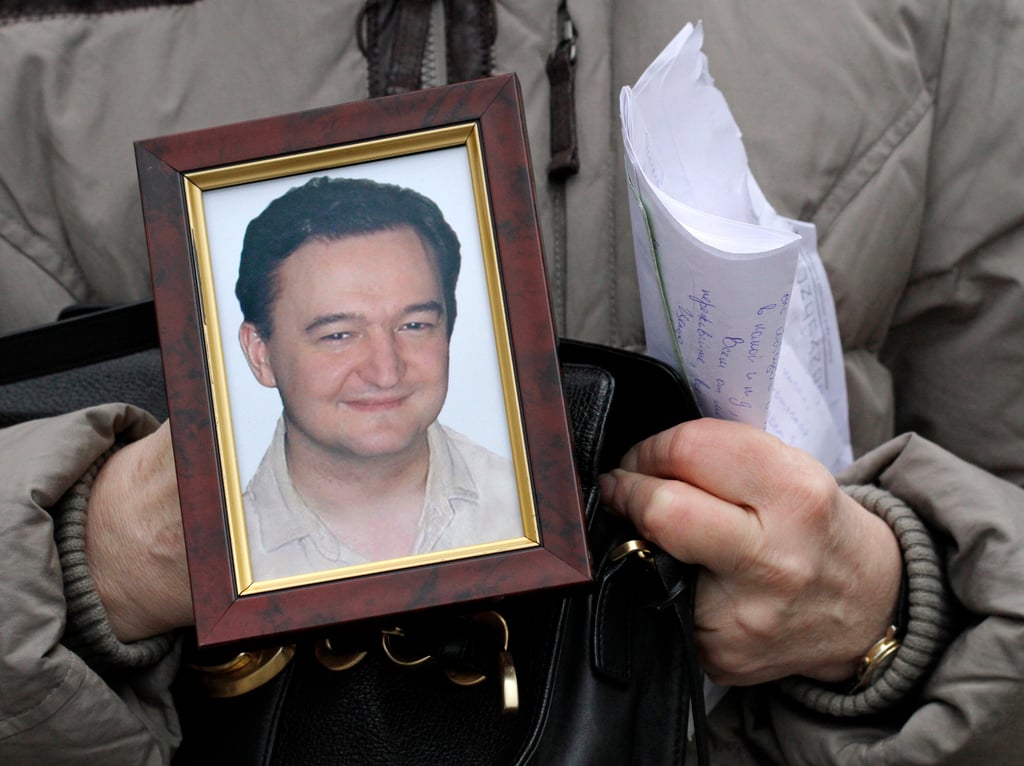
Magnitsky sanctions are named after Sergei Magnitsky, a Russian lawyer who was killed in prison for exposing corruption. Unlike more traditional sanctions targeting nation states, Magnitsky sanctions freeze the assets of targeted individuals and prevent them from travelling freely.
The trade and financial embargo imposed on Iraq following its 1990 invasion of Kuwait was a prominent example of such sanctions. But sanctions against nation states may be blunt instruments impacting far beyond those responsible for violations of international law. The sanctions against Iraq under Saddam Hussein had dire humanitarian impacts for the Iraqi population.
Magnitsky sanctions are novel in comparison – they target individuals and entities accused of perpetrating human rights abuses. The goal is to have a deterrent effect on the type of human rights abuser who funnels and flaunts wealth around the globe and offers support to corrupt and aggressive regimes.