Advertisement

As I see it | Pakistan’s breaking of taboo shows ex-dictator Pervez Musharraf was disliked to the end
- The former military dictator, who died on February 5, held power for almost 9 years until 2008 but was eventually found guilty of treason and fled
- Internationally, he was often seen as a great statesman but at home it was a rather different story, with much bloodshed on his hands
Reading Time:3 minutes
Why you can trust SCMP
1

In Pakistan, it is taboo to speak ill of the dead. So much so, that politicians who have spent most of their careers cursing a rival for being everything from a blasphemer to a traitor, will praise them to the heavens once they are dead – especially if they are assassinated, like former prime minister Benazir Bhutto in December 2007.
Even in death, however, former military dictator Pervez Musharraf has proven to be as unwelcome in Pakistan as he was when forced to resign as president in 2008, after holding power for nearly nine years.
Most members of Pakistan’s Senate on Monday flatly refused to endorse a resolution calling for prayers for the deceased.
Advertisement
This was in stark contrast to the messages of condolences which have flooded in from around the world since Musharraf passed away in a Dubai hospital on Sunday, aged 79.
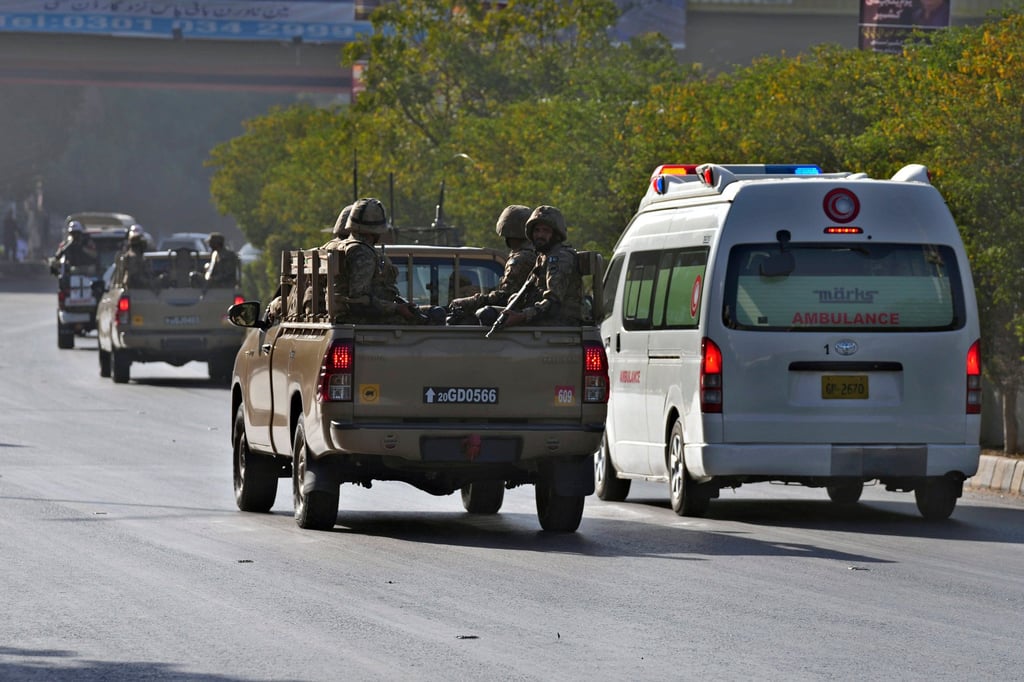
To the international community, Musharraf was a great statesman who arguably did more than any other national leader to help the United States capture many of the al-Qaeda operatives responsible for the September 2001 terrorist attacks.
Advertisement
Advertisement
Select Voice
Choose your listening speed
Get through articles 2x faster
1.25x
250 WPM
Slow
Average
Fast
1.25x