Advertisement
OpinionCan Pakistan and India ever end female genital mutilation if issue remains taboo?
- At least 200 million girls and women globally have experienced female genital cutting, according to the UN, which aims to abolish it by 2030
- Some defend the dangerous practice as a cultural right or deny it exists, but nations should admit it happens, spread awareness – and collect data
4-MIN READ4-MIN
3
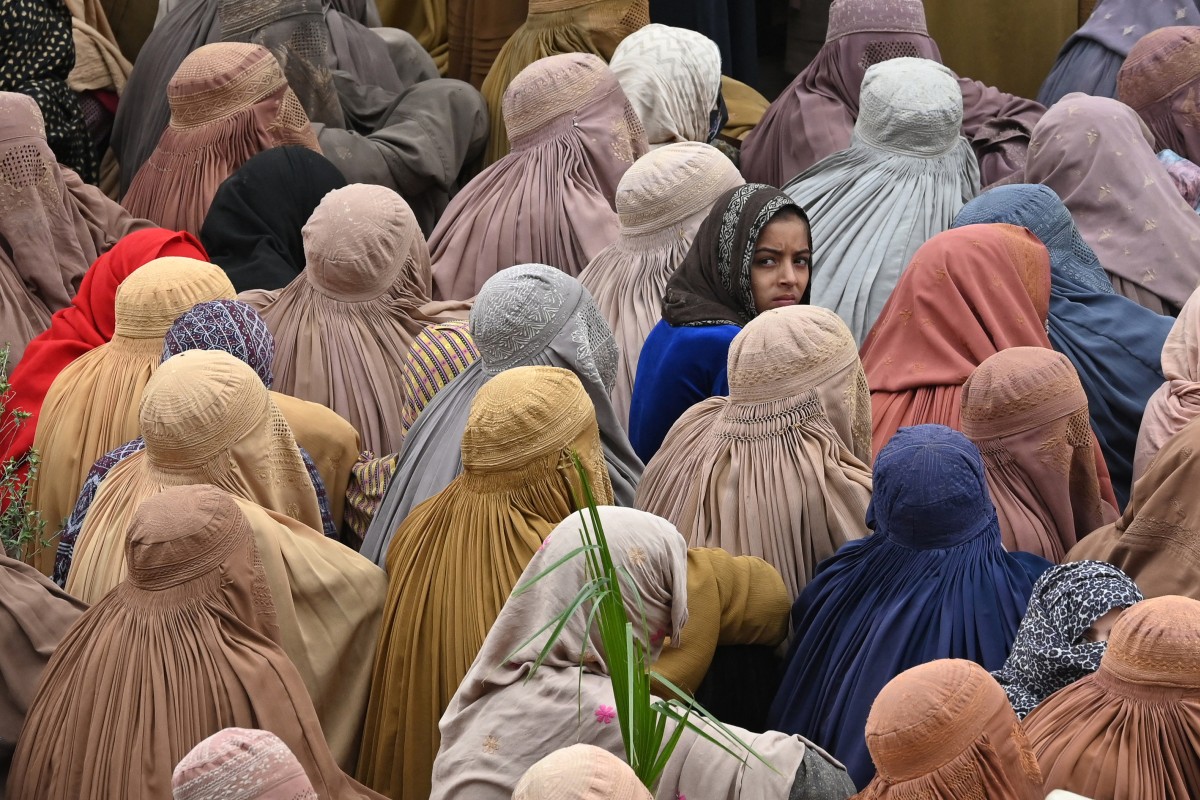
Female genital cutting is a secretive and largely invisible practice in Pakistan.
The experiences of survivors are the only sources of information we have to understand its prevalence. There are no national statistics or governmental efforts to counter the practice or this lack of awareness. Open conversations are difficult because women’s bodies are treated as a source of shame or taboo.
My research has found we must understand female genital cutting from a Pakistani perspective and work towards bridging the knowledge gap through increased data collection and encouraging greater dialogue with survivors.
Advertisement
Otherwise, Pakistan risks being left behind in achieving one of the United Nations’ sustainable development goals, the elimination of female genital cutting by 2030.
What is female genital cutting?
There are four types of female genital cutting, but generally speaking, it involves the partial or total removal of the external female genitalia. This can be through pricking, scraping, stitching and burning.
Advertisement
Select Voice
Select Speed
1.00x