
As I see itMalaysia plans for more targeted subsidies to help those in need, but will it miss the mark again?
- The government plans to implement a targeted subsidy system to help those who are truly in need of aid, but it runs the risk of becoming too complicated
- Normalising fuel prices will help correct market distortions caused by subsidies and free up funds for the government to focus on more productive efforts
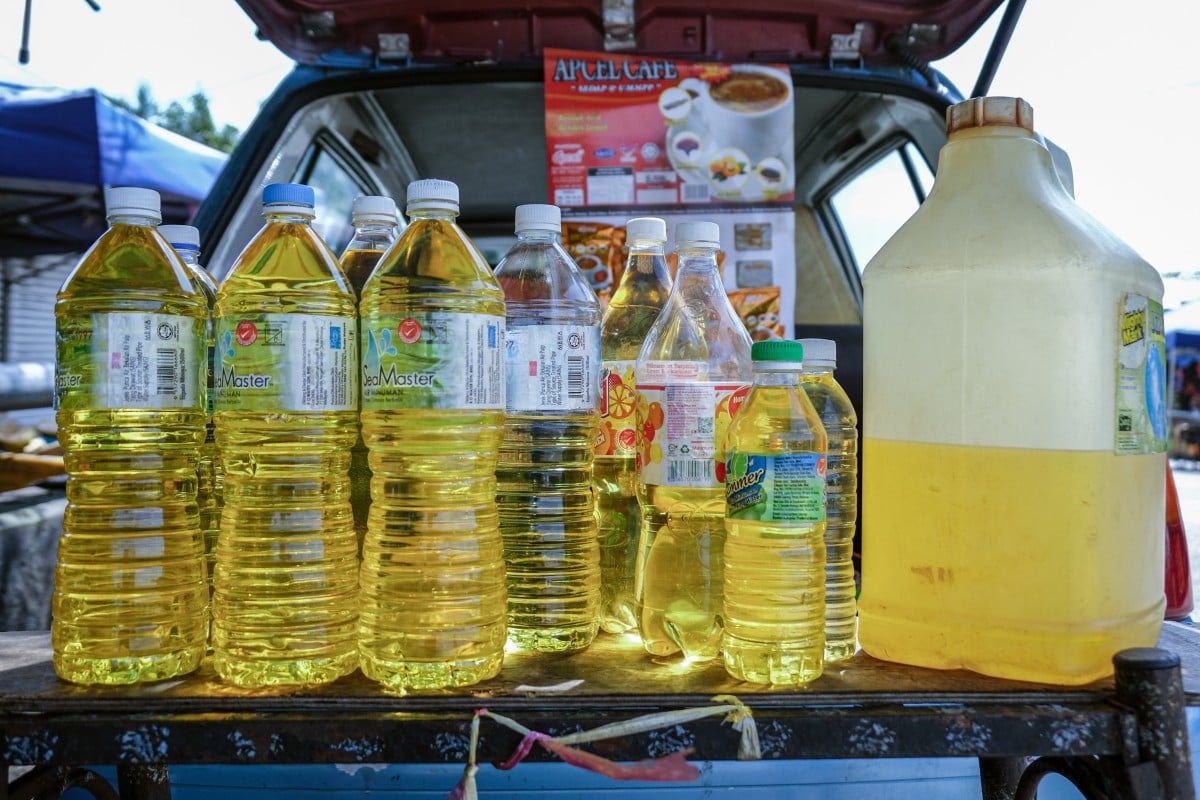
Malaysia appears to have an expensive addiction to subsidies.
Just last week, Prime Minister Anwar Ibrahim declared that the government is expected to spend more than 81 billion ringgit (US$17.1 billion) this year alone to soak up whatever spike in living costs the public may face.
He argued that despite the astronomical projected cost, it is not something the government can afford to cut back on as sustained inflation leaves Malaysians grappling with surging prices of staple foods such as rice, chicken and eggs due to shortages of raw materials for chicken feed and El Nino-induced droughts.
The government believes the problem with the high subsidy bill is that they are applied broadly and enjoyed by everyone living in Malaysia, regardless of their level of wealth.
Their proposed solution – implement a targeted subsidy system to whittle down the number of recipients to only those who truly need direct cash aid.
Sounds like a plan.
The thing is, this means the government will then need to implement a system that is capable of identifying each and every person among the country’s 32 million population who qualifies for subsidies, and apply said subsidies when they buy their groceries or fill up on petrol.