Asian AngleIndonesia’s nickel sector can rebound from Tesla EV setback, but Chinese market dominance a concern
- A major factor that could affect Indonesia’s nickel policies is the demand trend for two types of EV battery sources
- Market diversification of Indonesia’s nickel sector is key given the dominance of Chinese companies

In terms of attracting investment, Indonesia’s nickel downstreaming policies have produced results. In 2020, the Indonesian government banned the export of raw nickel ore to attract investment, largely in nickel smelters. A year later, the country received downstream investments and commitments from Chinese companies totalling some US$30 billion. As of July 2023, there were already 43 nickel smelters operating, 28 under construction and 24 in the planning stage.
Indonesia processes its laterite nickel ore through two smelting methods. The first, well-suited to Indonesia’s nickel ore, uses a pyrometallurgical (class 2) treatment for lower-grade nickel to produce nickel pig iron, a key component in stainless steel production. The other (class 1) treatment for higher-grade nickel requires a high-pressure acid leaching process to produce mixed hydroxide precipitate, used in lithium-ion NCM battery cathodes. Most smelting investments have been for producing class 1 higher-grade nickel NCM battery cathodes, driven by the growing demand for EV batteries.
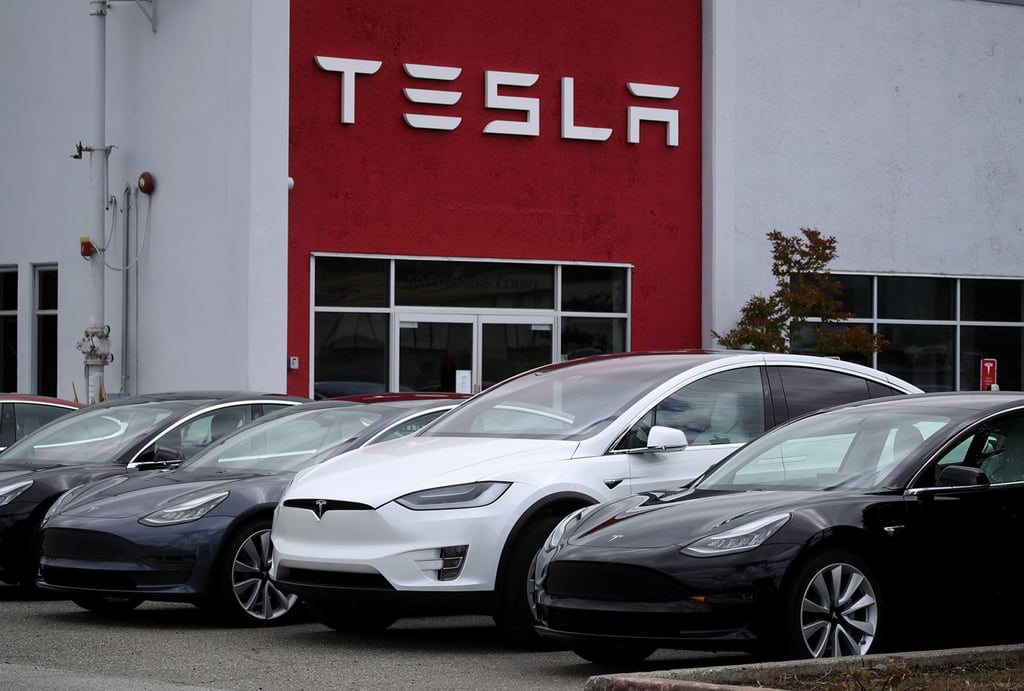
To assess the impact of EV producers shifting from NCM to LFP batteries on Indonesia’s nickel industry, it is useful to compare these two battery types. According to a recent report, the cost of LFP batteries is roughly US$12 per kWh cheaper, as the minerals used are more plentiful and easier to access.
But LFP batteries have a few disadvantages compared to their NCM rivals. One drawback is their lower driving range – estimated to be about one-third less – especially apparent in cold weather due to LFP’s lower energy density. Another drawback is their lower recycling value.