Advertisement
Asian AngleWhy Manila airport’s US$3 billion revamp should be about more than just money
- Privatising Ninoy Aquino International Airport presents Marcos Jnr’s government with a historic opportunity to improve the Philippines’ infrastructure
- While emphasising maximum revenue sharing may seem prudent at first, it’s worth remembering that over-aggressive bids are often too good to be true
4-MIN READ4-MIN
4

As the Philippine government prepared this week to announce the winning bidder for the US$3 billion privatisation of the country’s main airport, there was more than just the 76-year-old facility’s future at stake.
Revitalising Manila’s Ninoy Aquino International Airport (NAIA), which served more than 45 million passengers last year, also represents a historic opportunity for President Ferdinand Marcos Jnr’s administration to make a game-changing contribution towards his 115-million strong country’s long-standing pursuit of better infrastructure.
With the midpoint of his presidency fast approaching, Marcos making a success of the largest public-private partnership (PPP) in the Philippines’ history would thrust what is already one of Southeast Asia’s fastest-growing economies to the forefront of global investors’ radars.
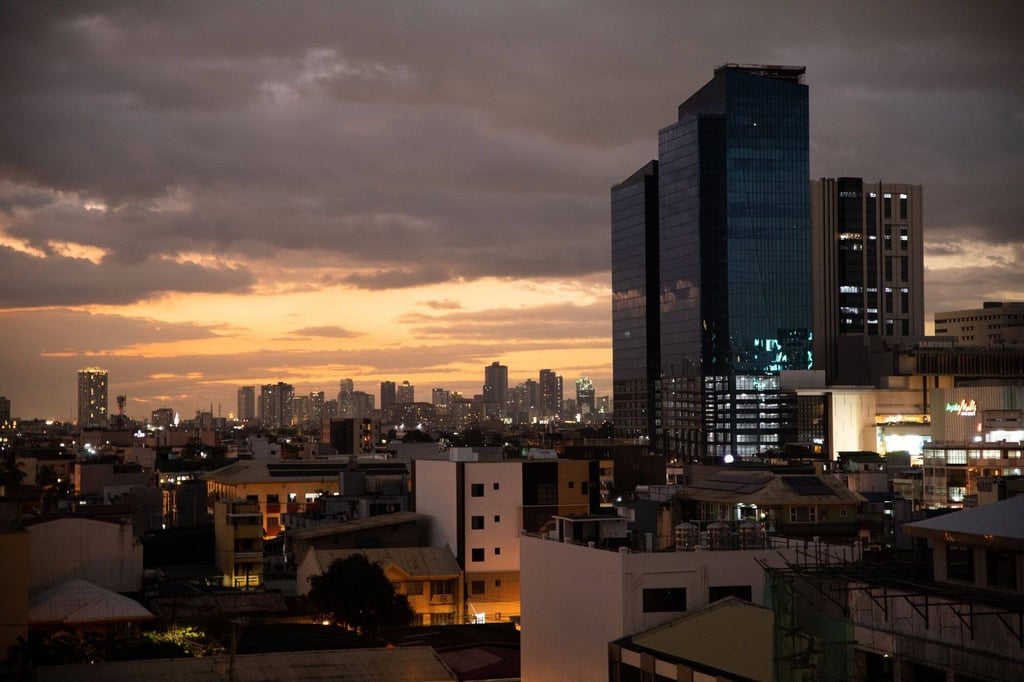
Airports are often used as a nation’s infrastructure showcase, yet few symbolise the challenges and potential for their host countries as NAIA does for the Philippines. Regularly handling passenger volumes exceeding 150 per cent of its intended capacity, it grapples with chronic congestion, outdated facilities, and connectivity problems.
With its strategic location, the airport ought to be one of Southeast Asia’s main gateways to elsewhere in the region and beyond. But without upgrades it risks being further overshadowed in the eyes of travellers and businesspeople by regional rivals – including the airports serving Indonesia’s new capital, Nusantara.
The Philippines has long struggled to efficiently modernise its transport infrastructure, reflecting the broader difficulties the nation has faced keeping pace with the demands of a growing population and economy.
It’s not as if successive governments haven’t tried. Benigno Aquino III’s administration championed the PPP concept, but by the time he left office in 2016 only three relatively modest projects had been completed, including the 4km Muntinlupa-Cavite Expressway.
Advertisement
Select Voice
Select Speed
1.00x