Advertisement
OpinionHow Middle East conflict reshapes global air routes
The airline industry has been re-routing routes and avoiding conflict zones in the Middle East while keeping an eye on rising costs
3-MIN READ3-MIN

The Middle East is a region of intense beauty and ancient kingdoms. It has also repeatedly endured periods of geopolitical instability over many centuries.
Today, geopolitical, sociopolitical and religious tensions persist. The world is currently watching as long-standing regional tensions come to a head in the shocking and escalating conflict between Israel and Iran.
The global airline industry takes a special interest in how such tensions play out. This airspace is a crucial corridor linking Europe, Asia and Africa.
Advertisement
The Middle East is now home to several of the world’s largest international airlines: Emirates, Qatar Airways and Etihad Airways. These airlines’ home bases – Dubai, Doha and Abu Dhabi, respectively – have become pivotal hubs in international aviation.
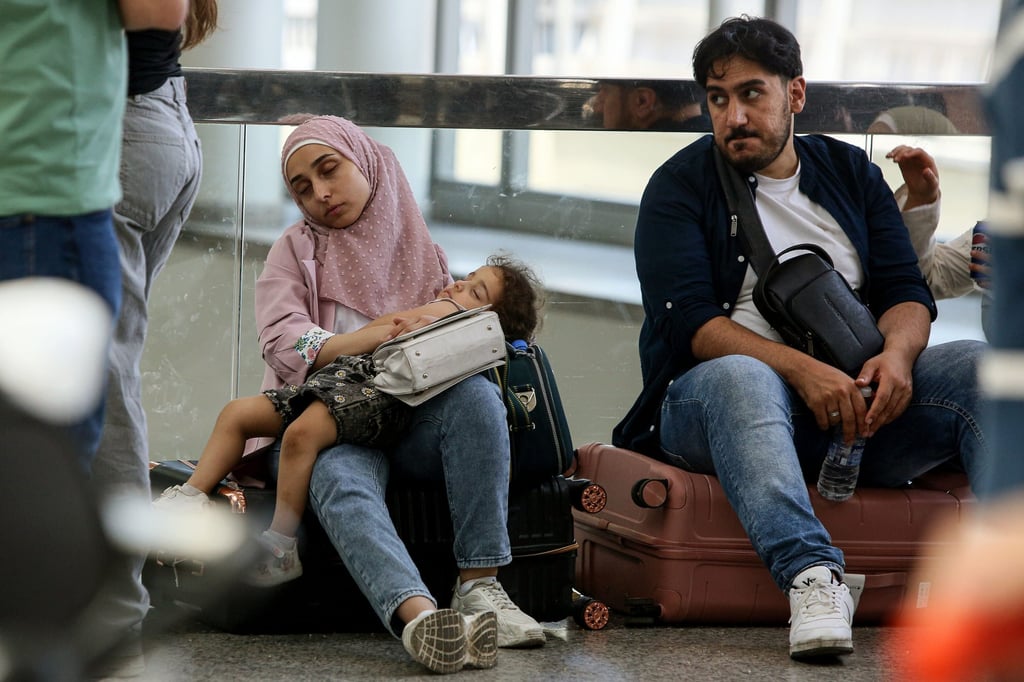
Keeping passengers safe will be all airlines’ highest priority. What could an escalating conflict mean for both the airlines and the travelling public?
Advertisement
Advertisement
Select Voice
Select Speed
1.00x