Advertisement
Asian AngleWatering down Malaysia’s RON95 petrol subsidy reform will cost the country dearly
The government keeps delaying the inevitable with full RON95 subsidy reform, but diluting it will cost the country in the long run
4-MIN READ4-MIN
Listen

Malaysia is in a tough spot when it comes to reforming RON95 fuel subsidies to reduce the country’s financial burden. The country needs more money: tax receipts amount to only 12.5 per cent of gross domestic product and oil is generating less revenue for the national coffers. Redirecting funds from exorbitant expenditures would ease this strain, allowing the government to fund more essential services and investments.
Fuel subsidies, in place since 1983, are an obvious target. In 2022, these subsidies cost 52 billion ringgit (US$11.8 billion), accounting for 74 per cent of Malaysia’s total subsidy bill.
The current “Madani” government intends to replace blanket subsidies with a targeted two-tier pricing system. This seeks to remove subsidies for high-income earners, who tend to own larger vehicles and disproportionately benefit from lower fuel prices, while ensuring eligible Malaysians continue to enjoy subsidised fuel.
Advertisement
Timing is everything. With three state elections in the pipeline and a national election due by 2027, scaling back unlimited cheap fuel could dent the coalition government’s electoral fortunes. The backlash from July’s expansion of the sales and service tax (SST) has only made the path to RON95 reform even rockier.
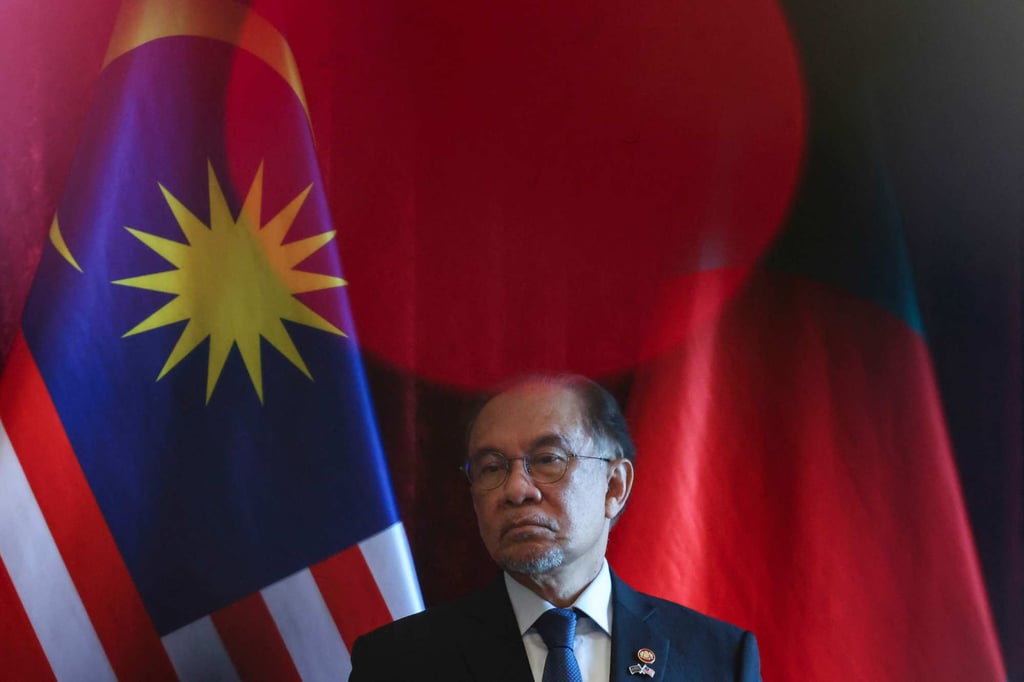
No Malaysian government has fallen over institutional reforms, but fuel and consumption taxes are political landmines. Former prime minister Abdullah Badawi’s departure was hastened by subsidy cuts at a time of surging oil prices. In 2018, Najib Razak’s government collapsed due to an opposition campaign that linked the goods and services tax and soaring living costs to the 1MDB scandal and corruption.
Advertisement
Advertisement
Select Voice
Select Speed
1.00x