Asian AngleHormuz is sending Southeast Asia a warning – and we can no longer ignore it
The crisis has shown we must invest in renewables rather than staying in a fossil fuel comfort zone

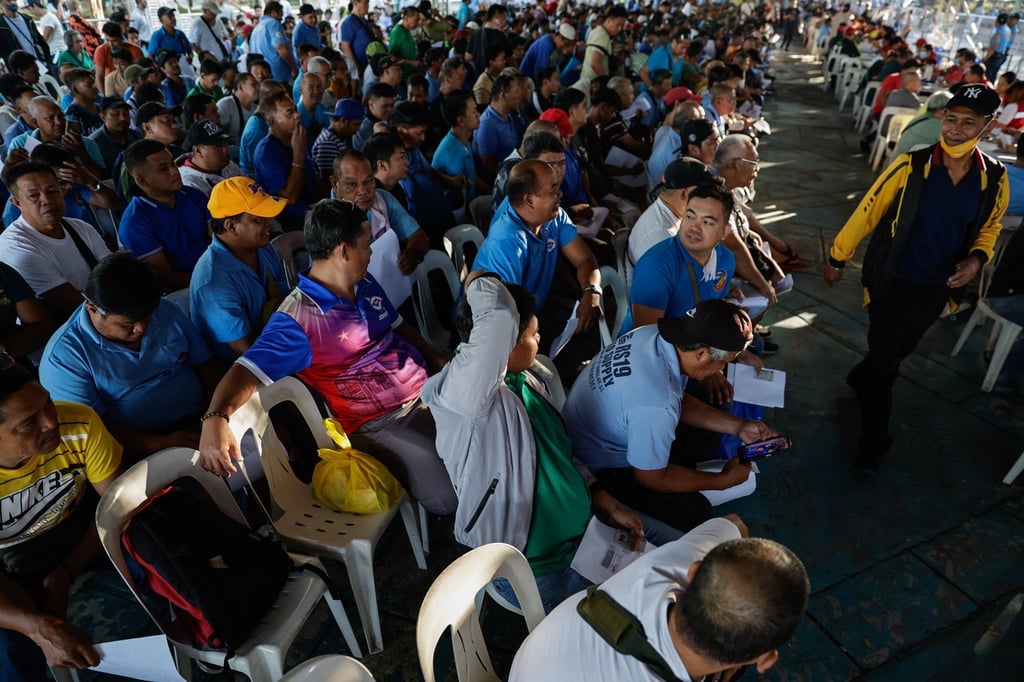
In Hanoi, petrol stations are rationing by the hour and unleaded prices have climbed more than 20 per cent in a matter of weeks. In Jakarta, the government is mandating a work-from-home scheme for civil servants one day a week to reduce fuel usage for transport.
For business leaders, myself included, the past weeks have felt like a pendulum. One day, signals emerge that the crisis may soon resolve: markets recover, oil prices ease and the region exhales. The next day, a fresh escalation reverses the mood entirely: prices swing, stock markets dip and business plans are revised, then revised again.
This oscillation between relief and alarm is not simply uncomfortable, it is a structural warning about the fragility of economies built around our energy dependence on certain commodities that are increasingly tied to an uncertain geopolitical situation.
And the harder truth is that even if the conflict ends tomorrow, the consequences would not. The International Energy Agency (IEA) has warned that at least 40 energy assets across nine countries in the Middle East have been severely damaged – oil and gas fields, refineries, pipelines – and all are expected to take considerable time to repair. IEA Executive Director Fatih Birol has described the cumulative impact as worse than the two oil shocks of the 1970s and the Russia-Ukraine gas crisis combined. Hence, supply constraints may outlast sensational headlines and prices may remain unsettled long after the ceasefire, if one even comes.

02:39
Middle East war fuels Asia’s energy crisis: queues, shut schools and ruined livelihoods