Advertisement
Asian AngleWhen the US comes for Cuba, what can Vietnam do?
Vietnam has stood by Cuba for 60 years. Now Washington is raising the price of that friendship – and Hanoi must decide what it’s worth
4-MIN READ4-MIN
2
Listen


The Trump administration’s indictment of former Cuban president Raul Castro and sanctions on his successor, Miguel Diaz-Canel, suggest Washington now views regime change in Havana as a viable policy objective.
This adds to Cuba’s mounting woes. The fall of Venezuela’s Nicolas Maduro in January severed the subsidised oil lifeline that had long kept the island nation afloat, plunging Cuba into its worst socio-economic crisis since the 1990s.
For most countries, this is a distant problem. For Vietnam, it is a test of friendship, resolve and foreign policy judgment.
Advertisement
Hanoi and Havana have been close allies for six decades, bound by a shared struggle against imperialism, ideological affinity and genuine camaraderie. Cuba’s predicament presents Vietnam with a dilemma: how to stand by a long-standing comrade without jeopardising the vital partnership it has painstakingly built with Washington.
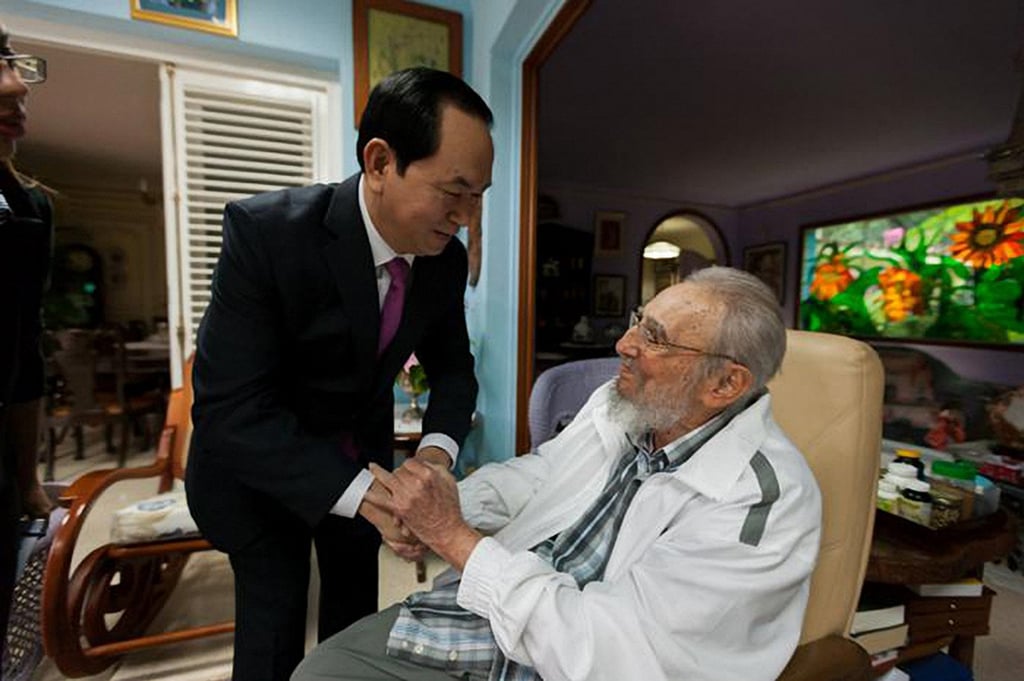
For most of those six decades, supporting Cuba came at little cost. Havana’s troubles were chronic rather than existential, US pressure was intermittent and symbolic gestures – a UN vote here, a shipment of rice there – were enough to sustain the friendship.
Advertisement
Advertisement
Select Voice
Select Speed
1.00x