Asian AngleWhy a second ‘China shock’ is good for Southeast Asia
Fear of Chinese imports is misplaced. Roughly 90 per cent of what the region buys is inputs and machinery driving local manufacturing

Globally, China’s swelling exports and trade surplus since roughly 2020 have been dubbed the second “China shock”. Its customs trade surplus hit US$1.2 trillion last year, on exports of US$3.8 trillion.
Yet today’s “shock” is very different to the first.
Back then, China functioned as an assembly hub, reliant on foreign inputs and technology, exporting finished goods to wealthy markets and crowding out exports from other developing economies. Meanwhile, it mostly recycled its resultant large current account surplus into US Treasuries.
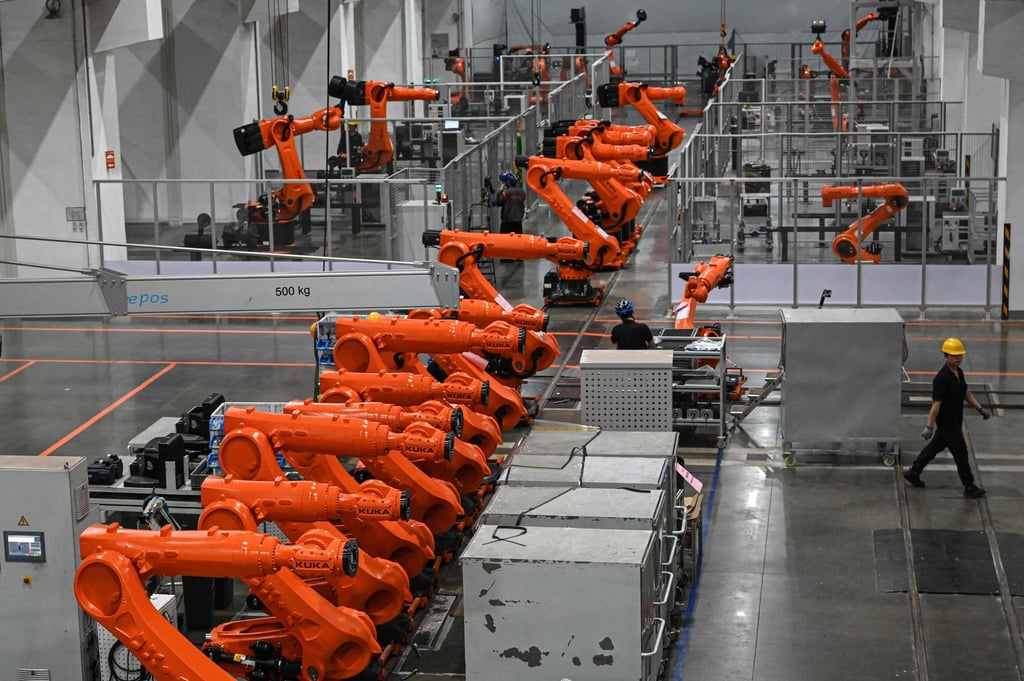
Today’s China is different. It primarily exports parts, components and the machinery that other countries need to produce and export. China has become “factory to the factories” as management consultancy McKinsey put it. It is also channelling more of its surplus into capital flows to developing economies, including through manufacturing investment. And through all this, it is exporting its own technologies, from clean energy products to industrial robots.