Ship that sailed from Hong Kong in 1872 found in Okinawa waters
- Mystery over Chinese pots found on British ship, the Benares, which sank in a tempest off Japan.
- Researchers are trying to trace relatives of four crew members who were buried locally

When the Benares sank during a typhoon off northern Okinawa in 1872, little was left to show the three-masted clipper had ever set sail from Hong Kong. Five of the British cargo ship’s 18-strong crew survived the tragedy and the bodies of a further four men were washed ashore. The remaining crew – including Captain James Anderson – were never found.
In the weeks after the typhoon raged across the ocean, it was likely debris from the wreck washed up on the beaches around the village of Ginama, on the far northwest coast of Okinawa. At some point in the intervening years, a large anchor was discovered and placed on display at the small port that is home to the community’s fishing fleet. Blocks of granite, each 60cm wide and 20cm thick, believed to have come from the wreck possibly as ballast, were used in the village graveyard. Otherwise, the Benares faded into maritime history.
Chiaki Katagiri, an archaeologist with the Okinawa Prefectural Archaeological Research Centre, said he was “incredibly lucky” to find evidence of the vessel’s final resting place on his first research dive into Ginama Bay, in 2003.
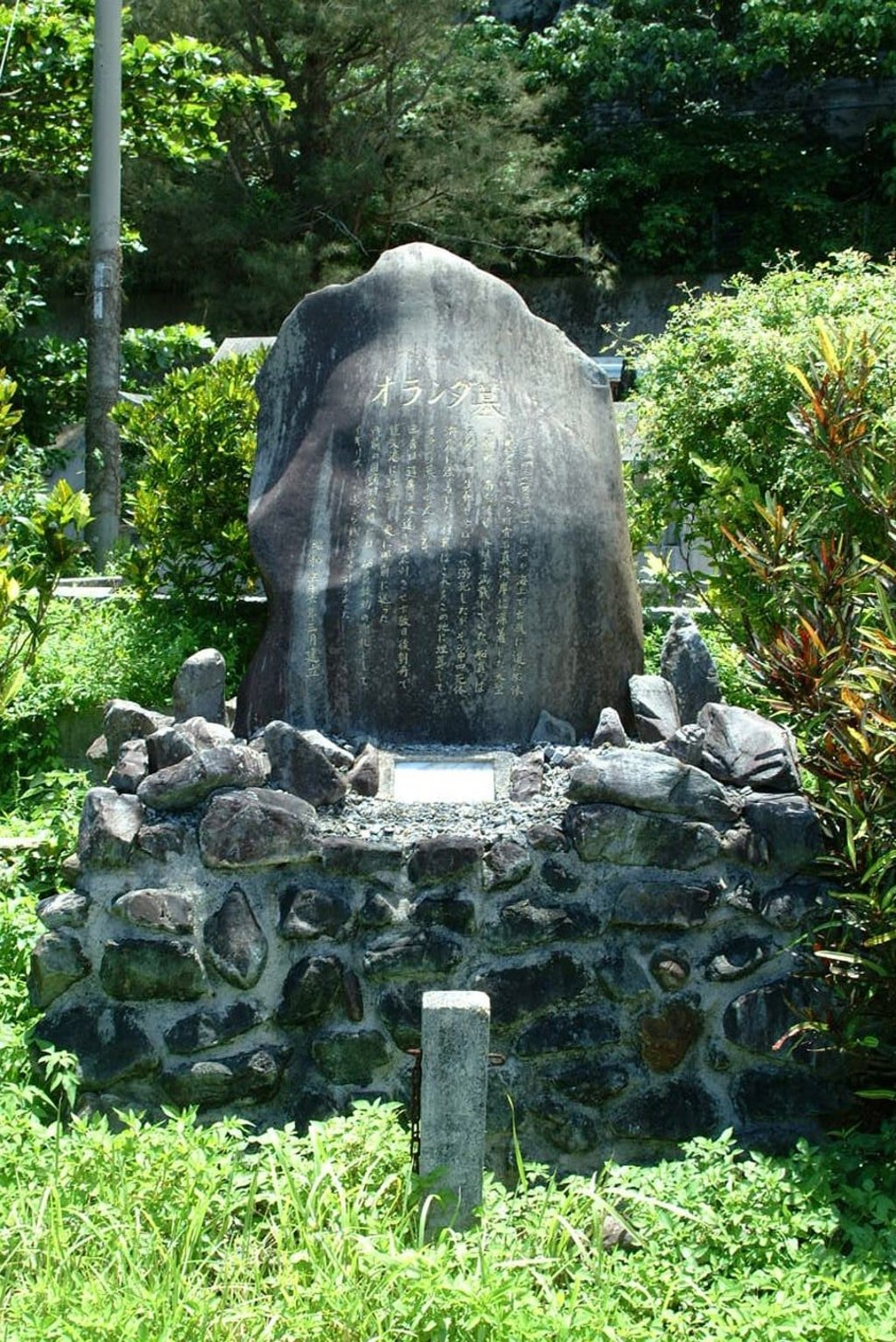
“We had done some research in and around the village and been shown what the local people call the Dutch Grave, which is where they buried the four sailors,” she said, acknowledging the lack of precise information about where the ship sank.
It was called the Dutch Grave because in the 1870s, Japan was still largely closed to the outside world and only the Dutch were permitted to trade, albeit at a limited number of ports. Accordingly, the Japanese assumed all outsiders were Dutch. The grave provided a vital starting point for the next phase of the search, jointly conducted with the Okinawa Prefectural Museum and Art Museum.