Indian court’s ruling on Ayodhya case brings no closure for those scarred by deadly riots
- In 1992, a 16th-century mosque was demolished by an armed Hindu mob. More than 2,000 people were killed in the aftermath
- Hindus will now be permitted to build a temple on the disputed land at the heart of one of India’s most divisive cases

“Without saying anything, they just fired at all of us,” he says of the incident that left seven people dead.
It was one bloody incident among many stemming from the events in December 1992 when a 16th-century mosque in Ayodhya was demolished by an armed Hindu mob. More than 2,000 people were killed in the ensuing violence across the country and many of the Hindus that attacked Muslims were encouraged by political leaders from Prime Minister Narendra Modi’s Bharatiya Janata Party (BJP) and its regional ally, the Shiv Sena.
According to a government-appointed commission, during the riots “neighbour killed neighbour, houses were ransacked, looted and burned, all in the name of religion”. For many, Saturday’s ruling has stirred painful memories, particularly as the BJP and Shiv Sena retain power in New Delhi and, until recently, at a regional level.
Mapkar is now 50 and works as a peon at a bank in Mumbai. He was not surprised by Saturday’s verdict, insisting “no Muslim expected anything else”.
The government-appointed commission called the police action against the worshippers at the mosque “unjustified, excessive …[and] resulted in killing innocent citizens”. For Mapkar, though, the nightmare had just begun. He was held in police custody for 15 days with the bullet still lodged in his body.
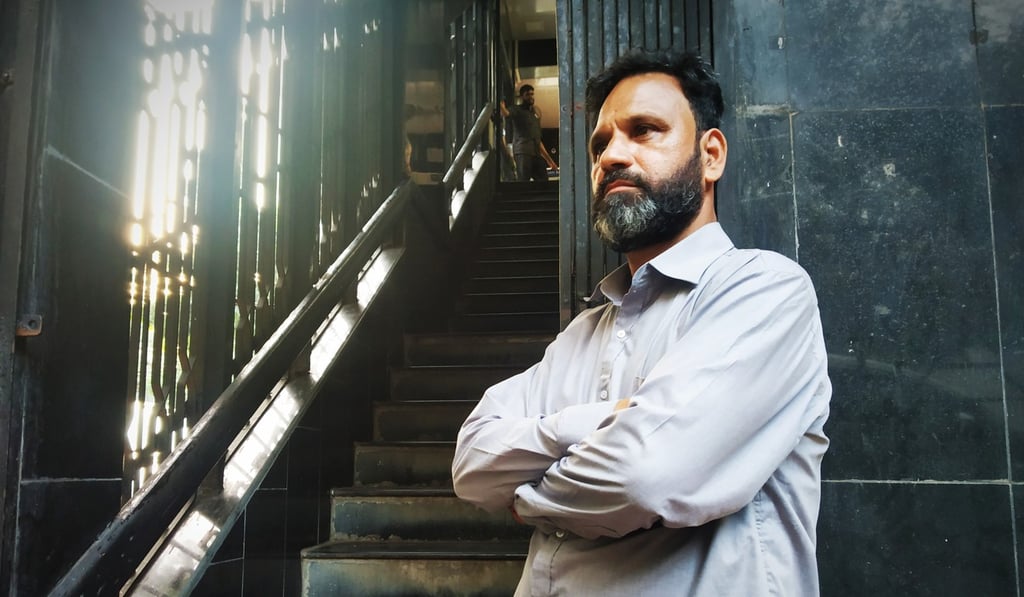
“My shoulder was hit and bleeding. But the police arrested me and accused me of rioting,” he says.