Point of no return: the British Raj took his ancestor’s sword, now he wants it back
- In the closing days of the Second Anglo-Sikh War, Diwan Mulraj Chopra gave a British general his ‘talwar’ as a symbol of surrender after the fall of Multan
- 171 years later, his great-great-great-grandson has tracked down the weapon to a British Army regiment, but the soldiers are unwilling to return it
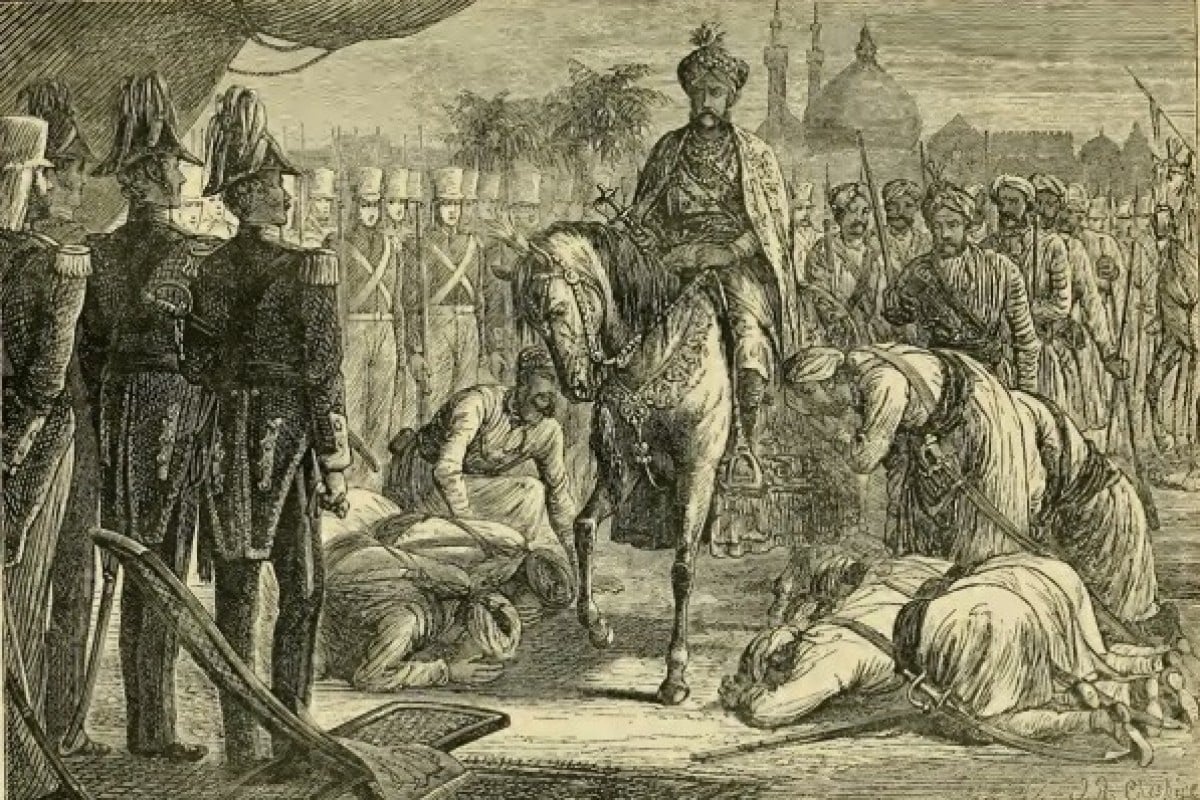
Ever since Sikh rebellion leader Diwan Mulraj Chopra rode out onto the dusty plain surrounding the battered city of Multan on January 22, 1849, his descendants have sought the “talwar” that he proffered as a symbol of his surrender to General William Whish of the British Raj.
Then in April 2018, Chopra was flicking through a Spink & Son auction catalogue when he spotted a reference to the long-lost talwar in a listing for some of General Whish’s medals.“His family later bequeathed the sword to the Royal Artillery Institution at Woolwich, the Royal Artillery displaying it in the Officers’ Mess,” it said.
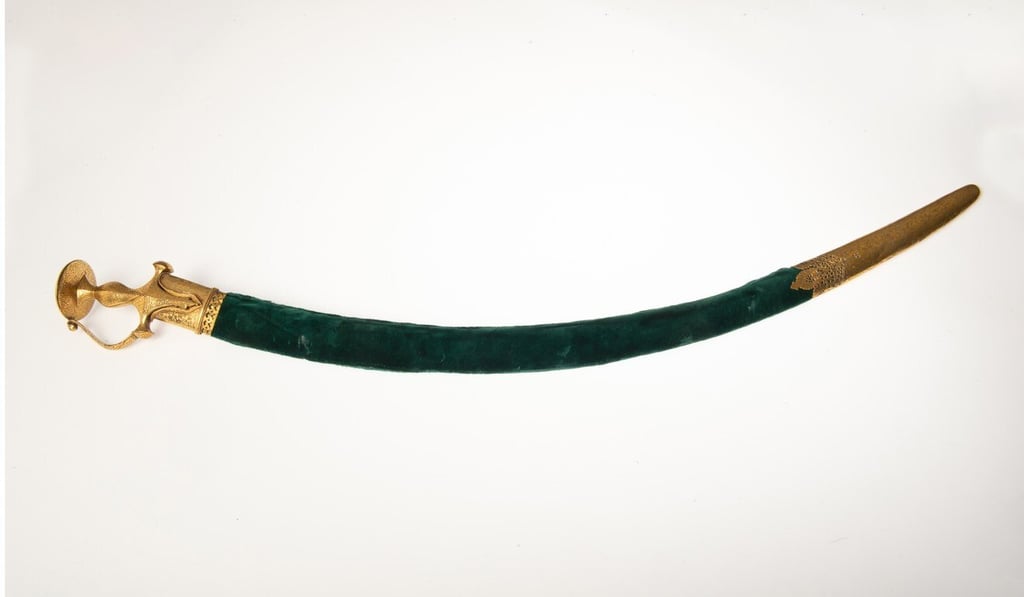
“I felt disbelief. Utter disbelief,” said Chopra. “After all these years. It was as if the world stood still for a time all around me”.
The Cambridge-educated lawyer who has held senior positions with the World Bank and the United Nations said he had “grown up with all these stories and the debris of that history all around me from my first days”. “It ran through the family culture,” he said.