Can Chinese scholar Xu Fancheng’s legacy in India be a bridge in tense times?
- Xu Fancheng spent decades in India – studying, teaching and translating reams of Hindu scripture, poetry and other texts into Mandarin
- A new study centre in his former home base of Puducherry aims to keep his memory alive, and encourage greater Sino-Indian cultural exchange

For 27 years, Xu lived in a beachside house in the former French colony of Pondicherry, translating reams of poetry, Hindu scripture, and other philosophical and religious texts into Mandarin. In his spare time, he would paint and create Chinese calligraphy.
Today, the scholar’s name adorns a new study centre in Puducherry, as the southern Indian union territory is now known, aimed at promoting “cultural exchanges and people-to-people interaction between India and China”, according to its deputy director, Bikashkali Das.
Das, a doctor by profession, first encountered Xu’s work through his paintings – many of which could still be found in the homes of Puducherry locals at the time. Inspired by their brilliance, he went on to organise a seminar on Xu’s work in 2018, funded by the Chinese embassy, and helped establish the Pondicherry India-China Friendship Association that same year.
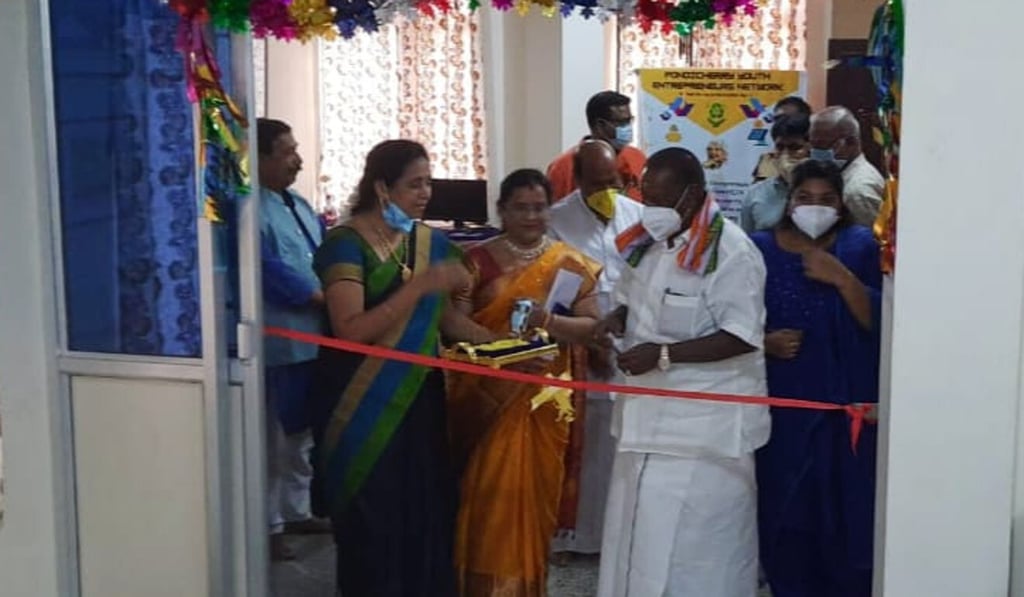
It was this association that unveiled the Xu Fancheng Culture Study Centre on October 26, the 111th anniversary of the scholar’s birth, at a ceremony attended virtually by Chinese Ambassador to India Sun Weidong, who said it would help contribute to the “comprehensive and systematic study of the academic achievements” of Xu.