River clean-up reveals ruins of Indonesia’s Sugar Mansion, rise and fall of its Chinese tycoons
- Semarang is known for having produced a number of sugar barons, among them the Tan family who built the Sugar Mansion in first half of 19th century
- Tan Tiang Tjhing and his son Hong Yan built up the sugar business in Java, and later controlled the opium trade with another influential family
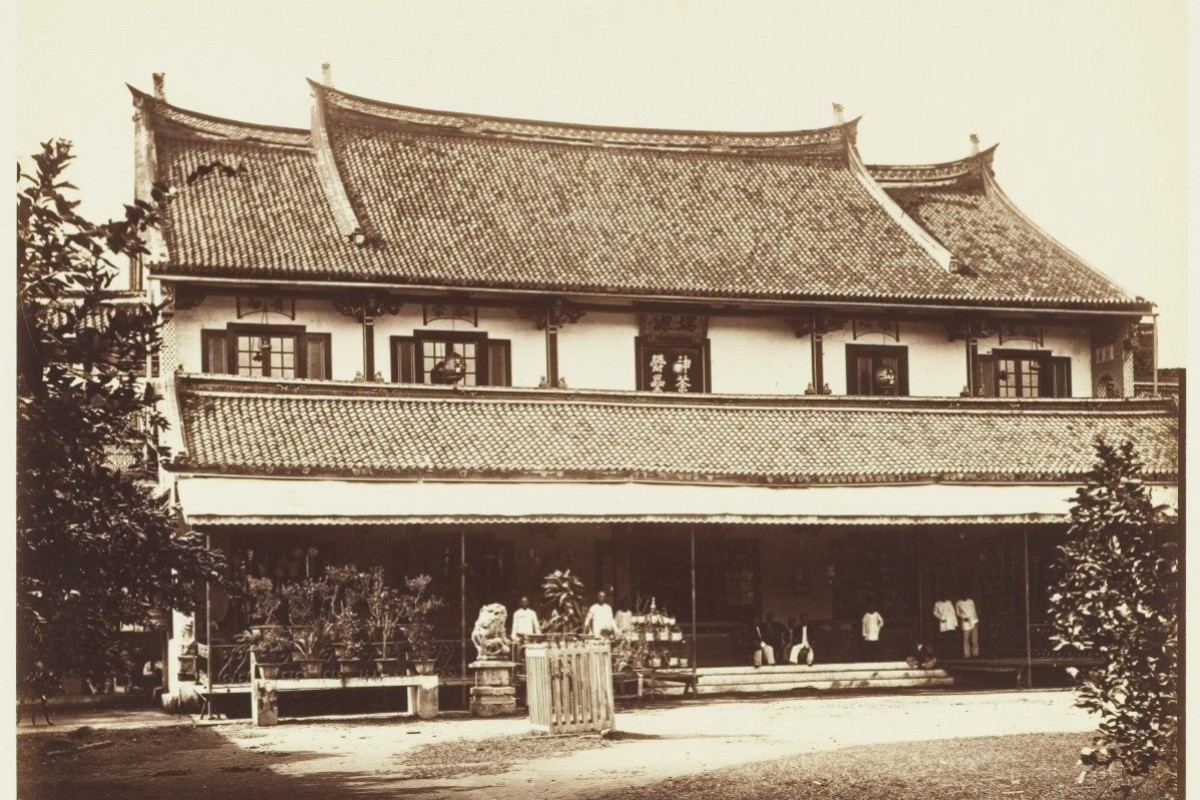
It was in 2021 when Indonesian restaurateur Bram Luska first laid eyes on a heap of ruins jutting out of a river running through Semarang’s Chinatown. A river clean-up had revealed the structure for the first time in decades.
“I became curious as to what the story might have been (behind the ruins) so I spent a whole year researching their history,” the 36-year-old history buff said.
Local sources yielded a name for Luska: Gedong Gulo or the Sugar Mansion, a once sprawling family estate in the western part of Chinatown built in 1815 by sugar baron Tan Tiang Tjhing.
Semarang, a port city and industrial hub during Dutch rule in Indonesia, had produced a number of sugar barons. The most famous was Oei Tiong Ham (1866-1924), the richest person in the Far East at the start of the 20th century.
“But the Tans were Semarang’s earlier sugar kings,” Luska said. “The Tan who built the mansion was Tan Tiang Tjhing. He was the son of Tan Bing, who in turn had been born in 1742 and emigrated from China.”
The senior Tan started out as a small goods trader, before opening sugar cane mills with his son to meet a growing demand for sugar in Central Java.
“At this time, sugar was a prized commodity mainly consumed by the upper and middle-classes, and so the Tans struck gold,” Luska said.