Advertisement
1 in 2 Japanese prefer working from home post-Covid. Is it a generational divide, or the shape of things to come?
- A new survey has found that almost half of Japanese office workers prefer working remotely, in what some believe is a generational shift post-Covid
- Many employers maintain a more traditional mindset, but the poll also indicates that the shift to remote work is even catching on with older workers
3-MIN READ3-MIN

For many in Japan, it was the absence of a miserable commute. For other office employees, it has been the chance to work from the comfort of their own homes. Yet more say they cherish being able to spend time with their spouses and children, sharing breakfast and reading to their kids before bed.
Whatever the reason, many Japanese employees got very comfortable working remotely during the pandemic, and a new national survey has found that nearly half do not want to return to the office now that the health crisis is over.
Conducted by Tokyo-based recruitment firm XTalent Inc, the June study covered 1,085 workers between the ages of 20 and their late 50s, with 48.7 per cent saying they did not want to return to the office. Just 1.3 per cent were happy to go back to a traditional work schedule, with 37.9 per cent preferring a hybrid arrangement. The remaining 12.1 per cent had no opinion.
Advertisement
For parents with young children, most respondents said the appropriate amount of time they should physically be at the office was just one day a week.
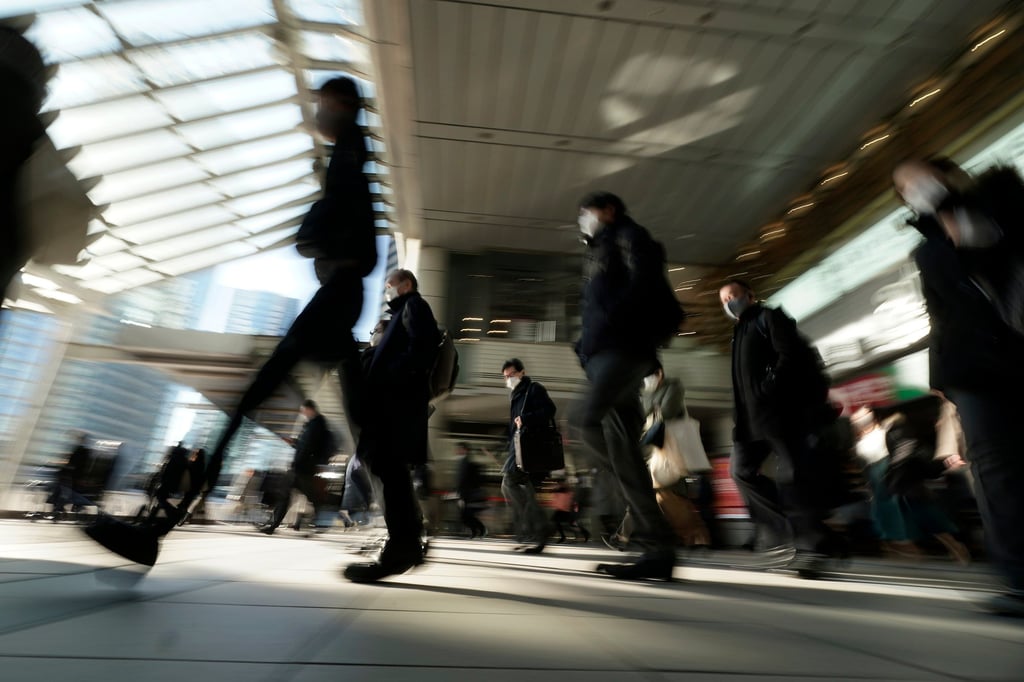
Many Japanese corporations remain conservative and decision-makers tend to be older and more traditional. Some workers say this exposes a generational divide in work preferences.
Advertisement
Advertisement
Select Voice
Select Speed
1.00x