Indonesian-Chinese who grew up ‘out-of-wedlock’ in Suharto era relive ‘trauma’ through new book
- Thousands of Indonesian-Chinese children born in the 1970s to 1980s were classified as ‘out-of-wedlock’ at a time when Chinese identity was suppressed
- A new book about the stateless Indonesian-Chinese has resonated with readers of the ethnic group who grew up during President Suharto’s rule

It took a move to China to discover her “Indonesian-ness”, said author Grace Tioso, who grew up in the authoritarian era of Indonesian President Suharto, when Chinese language and culture were suppressed for three decades.
Discriminatory practices against her ethnic group, such as being endlessly asked to prove her nationality by government offices and an unofficial bar from entry to state universities, left Tioso ambivalent about Indonesia, where she was born.
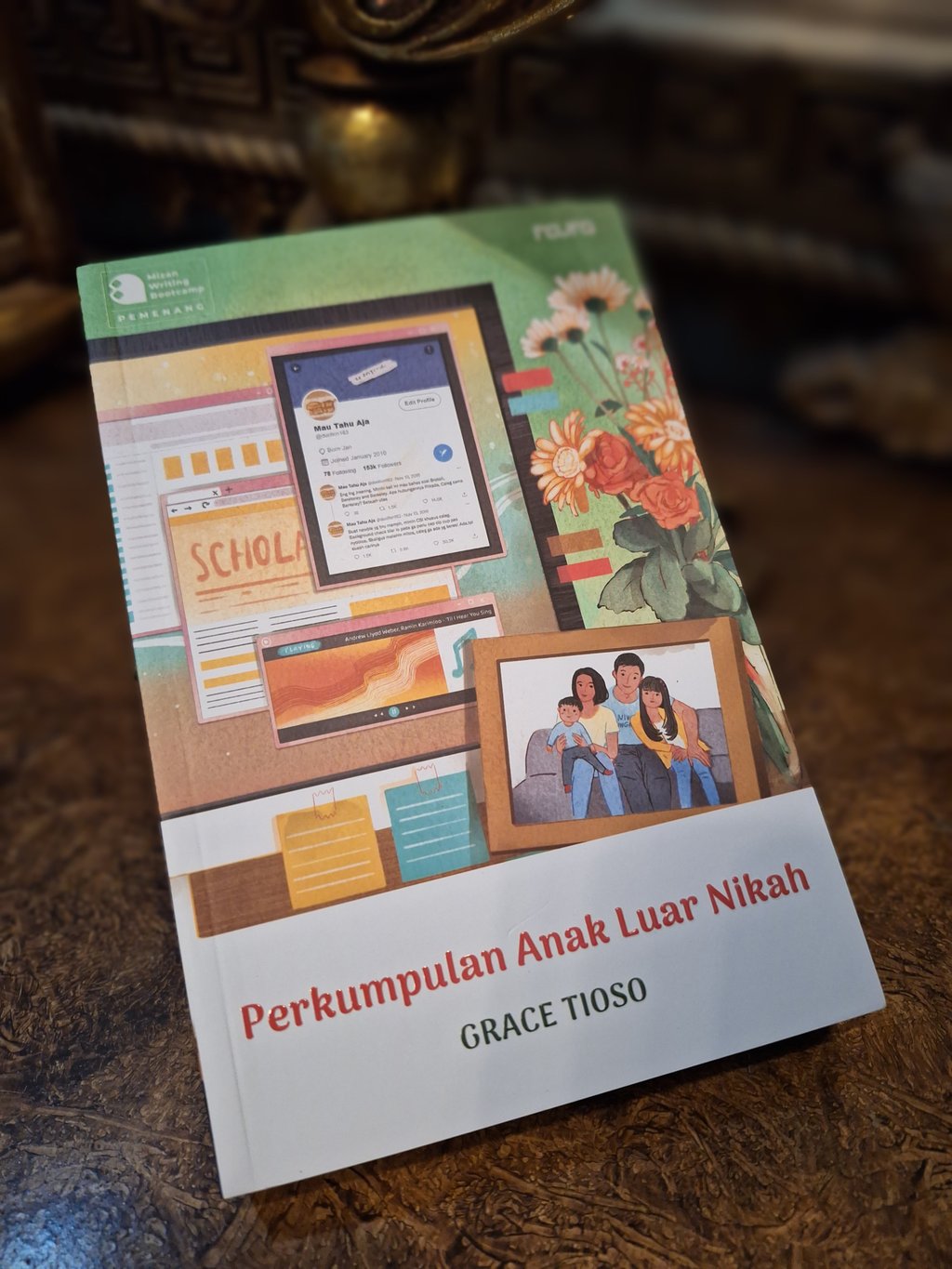
“I was eager to reconnect with my roots, so I went to university in China studying Mandarin,” said Tioso, the author of new book Perkumpulan Anak Luar Nikah (The Society of Out-of-Wedlock Children).
“But I didn’t feel I belonged in China, either. Instead, being in the ancestral land reaffirmed I was Indonesian, first and foremost.”
Tioso, who now lives with her husband in Singapore, was among the Indonesian-Chinese who grew up under Suharto’s 32-year rule, which saw ethnic Chinese businessmen drive the economy at the same time as racial tensions were fanned by the official delineation of people of Chinese descent as non-native-Indonesians (non-pribumi).
Her book explores the experience of the thousands of “out-of-wedlock” children born in the 1970s and 1980s to Indonesian-Chinese couples where the husbands, though born and raised in Indonesia, were officially “stateless”.