In Japan, more students ‘tired of being in school’ are playing truant. Are bullying and burnout to blame?
- A record number of Japanese children skipped school for at least 30 days in the last school year, with over half of survey respondents blaming lethargy, anxiety
- Cases of school bullying rose 10.8 per cent on the year, but the real figure is likely higher as many such cases usually go unreported
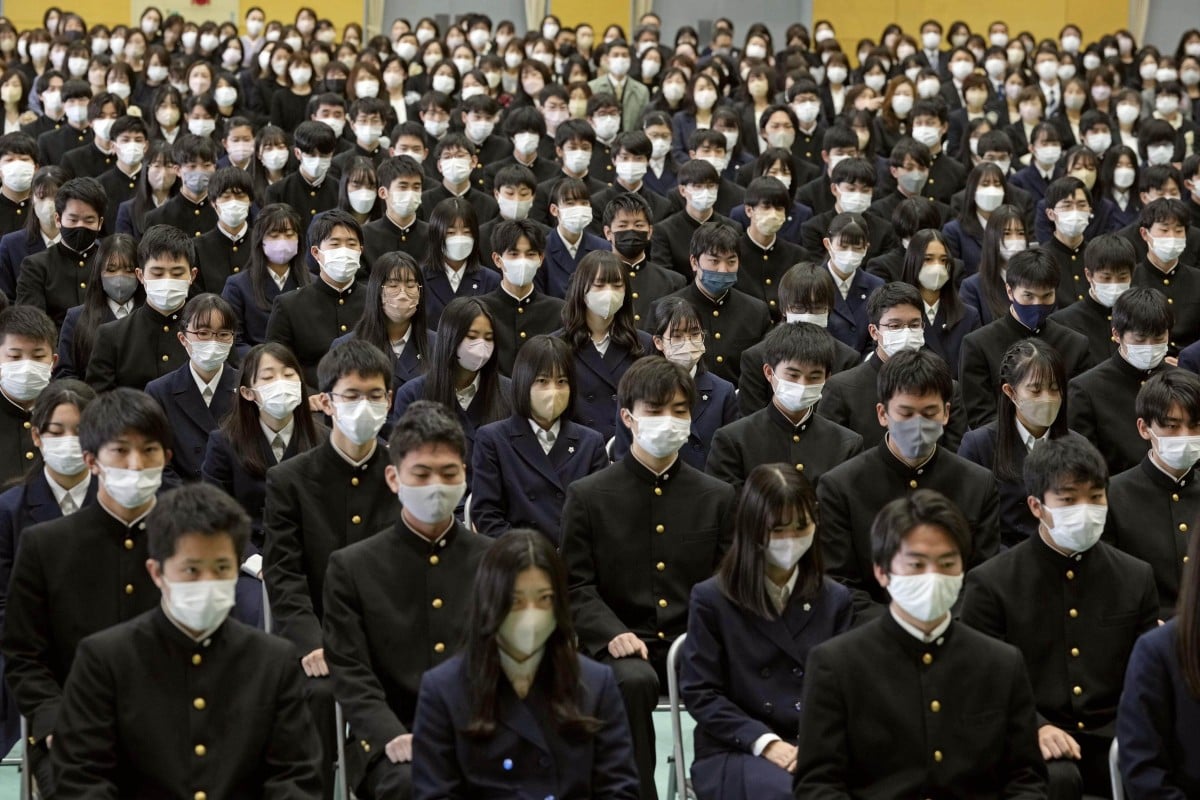
A record number of Japanese children skipped school for at least 30 days in the last school year, with experts laying the blame on disruption caused by the coronavirus pandemic, academic pressures and bullying.
A study released by the Education Ministry on Tuesday showed that a record 299,048 primary and junior high school pupils did not attend classes for 30 days or more in the year to April 1, 2023, up more than 22 per cent from the previous year and representing 3.2 per cent of all students in those age groups.
Nearly 52 per cent of students responding to a ministry questionnaire said they did not want to go to school out of a sense of anxiety or lethargy. Other leading reasons included disruptions to the rhythm of the students’ lives brought on by the pandemic and a subsequent loss of friendships, as well as a desire to be free to play more.
The number of truants and bullying cases has even caught experts by surprise, admits Izumi Tsuji, a professor of the sociology of culture at Chuo University and a member of the Japan Youth Study Group.
“These figures are more than we anticipated,” he said. “The main reason has been the extended impact of the pandemic, but even before that there was the big problem of schools just not being good places for children.
“One example of this is how students, particularly at junior high school, are required to do so many things,” he said. “They have all their classes to attend, there are after-school activities and club events, there are regular tests and they need to take part in volunteer activities as well if they want to get into a good high school.