India’s battle against female foeticide: a father’s crusade to close the gender gap
- Sex-selective abortion, which is illegal in India, remains widespread in the ‘patriarchal’ society despite a ban on prenatal gender testing
- Such abortions are made easier by new technologies and medicines – but it’s ‘more of a social problem’, observers say

He was appalled, but it was also a stark reminder that his daughter would be growing up in a society where sons were valued more than daughters.
In India, that difference can be quantified, simply but chillingly, by the ratio of female births to male births. Haryana’s ratio in 2012 – the year Jaglan’s daughter was born – was one of the most unbalanced in the country, with 832 females to 1,000 males.
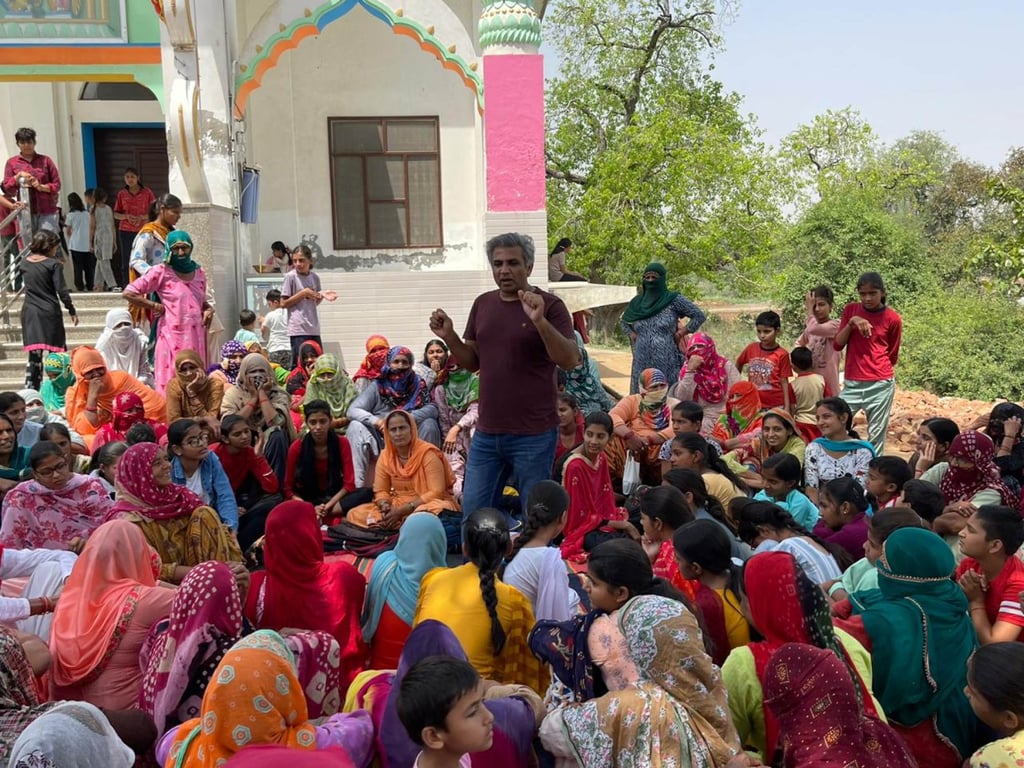
Female foeticide – the practice of parents choosing to abort fetuses after learning they are female – accounted for the skewed ratio, experts say. While such sex-selective abortions are illegal in India and there is a ban on prenatal sex testing, the practice persists across the country using unauthorised means.
“There is a deeply-rooted patriarchal mindset that is still very normal in India, and many people still see girls and women as burdens,” Jaglan, 41, told This Week in Asia. “That is why families choose to get rid of girls before they are born.”
Women face violence and pressure from their husbands and in-laws if they do not bear a son, experts say. With limited levels of social security for large portions of the population, families look to their sons to provide for them in their old age.
Daughters are perceived as a drain on family resources because they will marry and go away to another family
“Parents depend on sons as the source of social security and expect sons to support them when they age or are otherwise not able to support themselves,” said Praveena Kodoth, a professor researching gender at the Centre for Development Studies in Kerala.