Dark history of Malaysia’s Chinese villages underscores fury over Unesco bid
- The ‘New Villages’ were built by the British colonial authorities when what was then called Malaya was besieged by a communist insurgency
- Some politicians have slammed the Unesco plan as a move to challenge Malay rights, while others say it has reopened painful memories
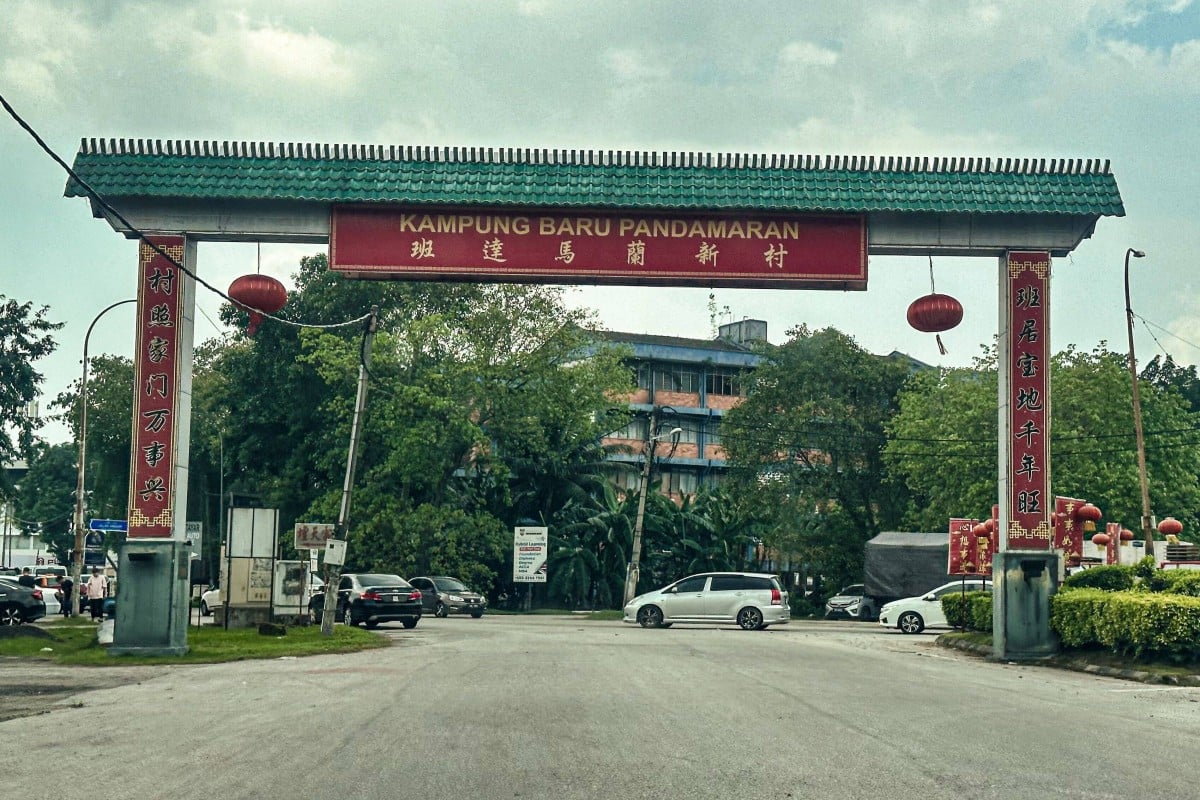
These villages, numbering more than 400 across the peninsula, were essentially a euphemism for concentration camps set up by the British military to corral the Malayan population, particularly ethnic Chinese who might be sympathetic to the communist cause.
PK Voon, a researcher at the Centre for Malaysian Chinese Studies, said the resettlement programme was to “gather and protect” families from “bandit influence”, the official description of anti-British armed insurgents.
“The special origins of the New Villages are attributed to a key strategy of the British colonial administration to reassert political control over Malaya. One of the core military actions adopted was aimed at isolating the scattered and often armed anti-colonial units,” Voon said.
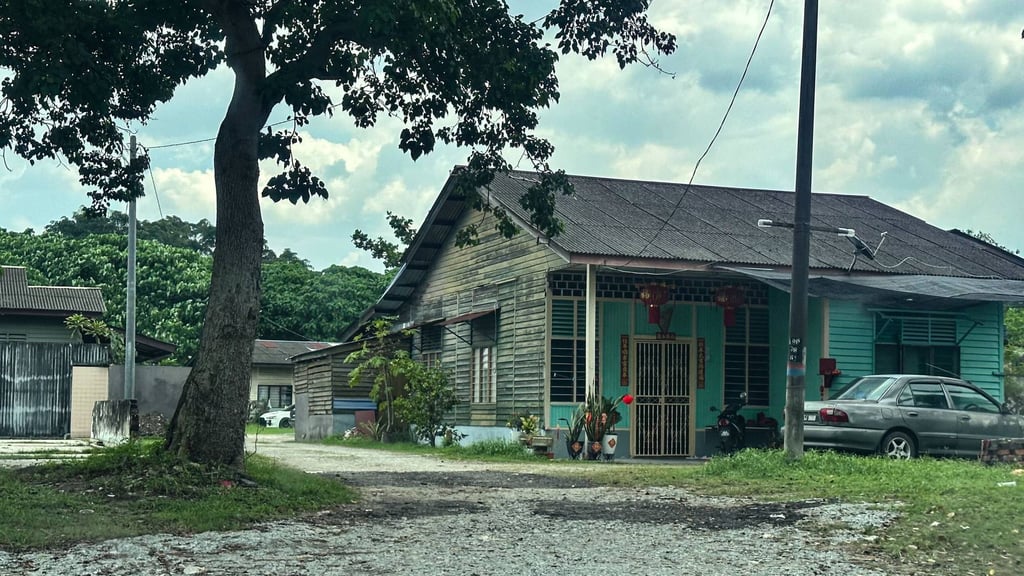
At its peak in 1954, more than 573,000 people – predominantly, but exclusively Chinese – were relocated into these compact villages, which were encircled by barbed-wired fences with curfews and strict movement controls imposed.