Descendants of Singapore’s ‘sea people’ keep Orang Laut way of life alive through food, stories
- Their ancestors once called Singapore’s outlying islands home, but many in the Orang Laut community have since lost touch with their roots
- Awareness is increasing, however, thanks to ground-up heritage initiatives like Orang Laut SG sharing the community’s history and unique cuisine

“We would fish and I would stay on the island for weeks, especially during the school holidays. Sometimes, we would even do weekend trips,” he said. “My grandparents really relied on the sea for sustenance, they would catch these fish [for work] but it was a lot of fun for me.”
Pulau Semakau was once home to hundreds of Orang Laut – a Malay phrase for several seafaring ethnic groups that translates as “sea people” – before the island was acquired by the Singapore government in the 1980s, its population relocated and the area eventually turned into a landfill.
Most who lived there earned a living by catching seafood and selling it to merchants in mainland Singapore.
To keep his memories of that way of life alive, Firdaus turned to something all Singaporeans love: food. Alongside members of his family, he began selling Orang Laut cuisine through the Instagram page Orang Laut SG, which now has more than 9,700 followers.
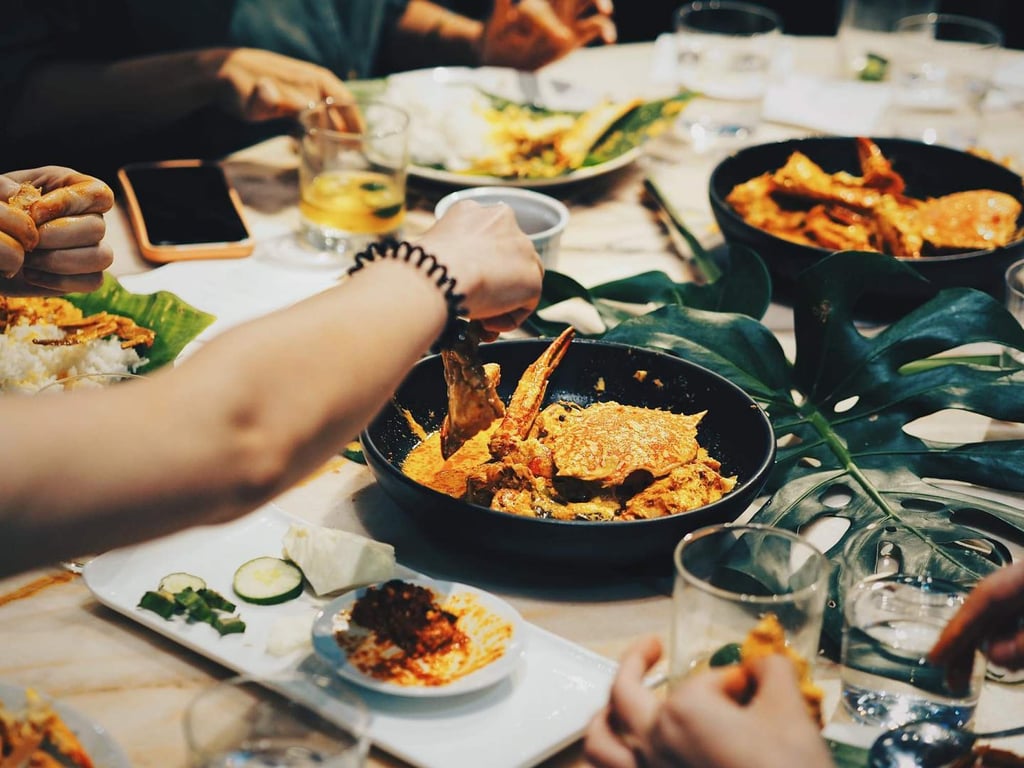
“Food became a tangible way to share our narrative,” he said, citing dishes that include traditional Malay specialities such as sotong hitam (squid in black ink sauce) and ketam lemak (crab in spicy coconut milk), but cooked in a style unique to the Orang Laut.
Since its inception during the pandemic, Firdaus has grown what started out as a social media account into a fully fledged non-profit organisation, which holds talks and events to spread awareness of the Orang Laut community.