Thailand election: who are the PM contenders vying to lead the nation?
Reformers, conservatives and populists face off in the coming election with lofty promises to fix the country’s economy and political system

Here are the main contenders and some of their policies.
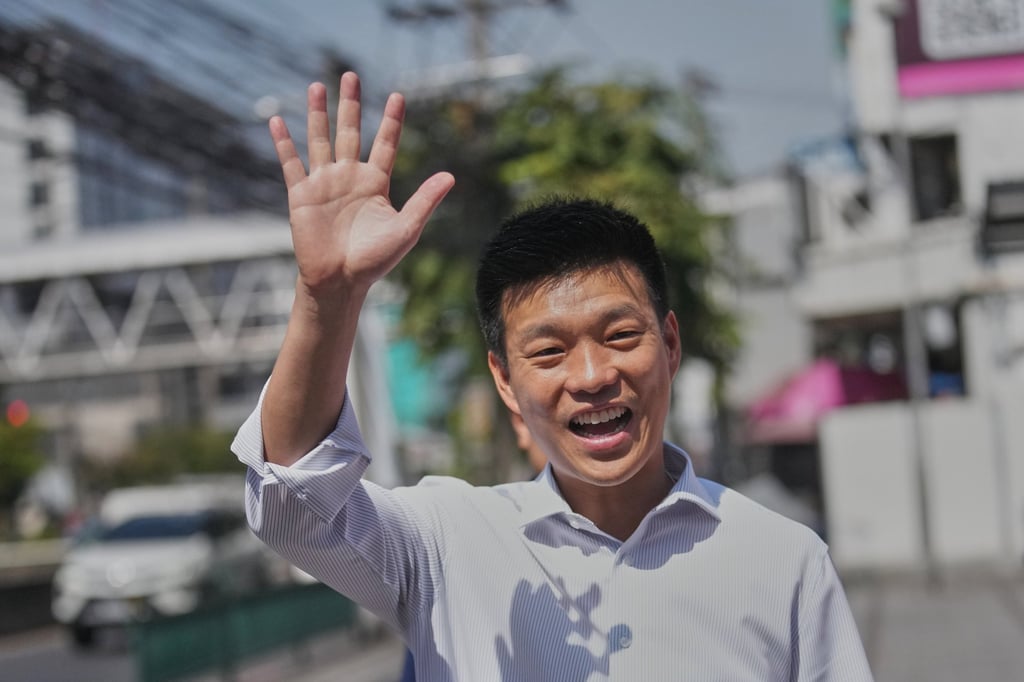
Natthaphong Ruengpanyawut – People’s Party
Better known as “Teng”, the former tech executive took over leadership of the People’s Party in 2024 aged just 37. He leads them into the election as the most popular candidate to govern the country, with his youth-facing reformist party tipped to just about win the most seats.
More introverted than his banned predecessors, Teng has gradually found his voice in opposition and on the campaign hustings. His time in charge of Thailand’s largest party has seen him face criticism from his own supporters for dropping incendiary – yet core – issues such as reform of the royal defamation law. But others praise his steady, pragmatic leadership of a still-new party that has faced extreme resistance from the conservative establishment. Courts have banned its founders and top-billing politicians, while dissolving the party twice in its nine-year history.
For the first time in a decade, conservative senators will be unable to take part in a vote for prime minister after the election. If he wins somewhere approaching 200 seats, Teng could be in pole position to form the government and win a lower house vote of the prime ministership.
His party is the only one pressing for root-and-branch reform targeting the military, police, schools and an economic system that skews in favour of the kingdom’s dominant monopolies.