Can Malaysia, Singapore be trusted to debunk fake news?
As Kuala Lumpur launches a state-run fact-checking site,
many are sceptical that governments can be trusted any more than the sites they police

The fight against fake news clearly needs champions, but experts disagree as to whether government fact checkers – themselves widely perceived to have less-than-objective motives – should lead the charge.
The private sector is still the main driver in the global fight against fake news. But in Asia, some governments are showing interest in entering the trenches themselves as online rumours threaten to unravel fragile social stability.
Malaysia this week joined a tiny league of countries with state-run fact-checking websites. Media researchers warn that, while the government-backed websites are welcome, people are likely be sceptical of them over concerns they will be used for partisan ideological battles.
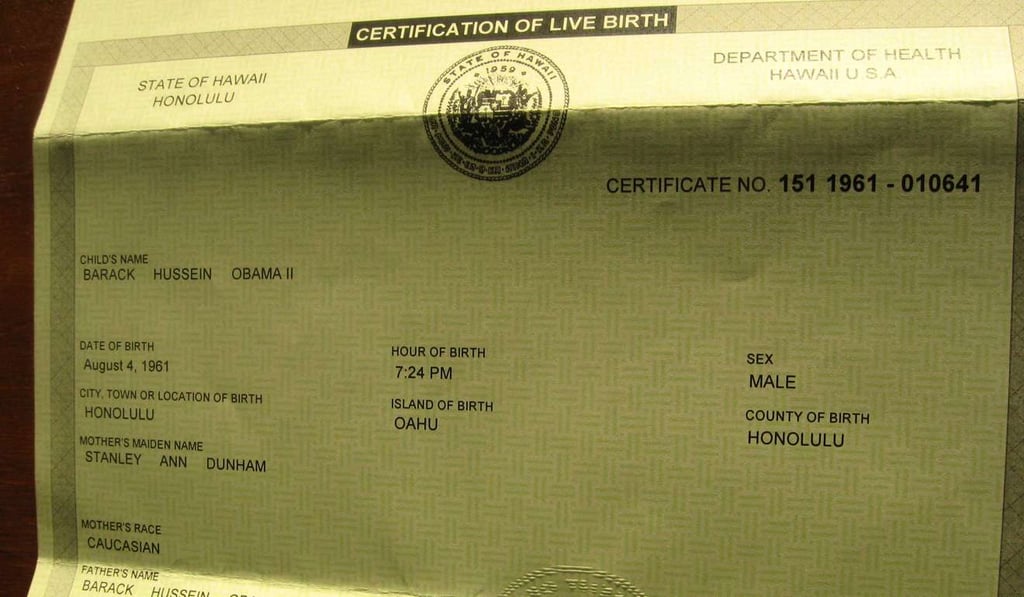
From Snopes to PolitiFact in the US, to dozens of volunteer-run portals in Indonesia, fact-checking websites have become a necessary part of a news business still struggling after a 2016 in which “post-truth” was named the Oxford Dictionaries Word of the Year.
Still, the sites alone are not a panacea to the fake news scourge, experts say. Poor media literacy levels and the dissemination of information in social media “echo chambers” are also seen as key reasons fake news is so damaging.