Why China, India and the Dalai Lama are pushing the boundaries in Tawang
A small Himalayan district is the focus of intense diplomatic heat stemming from long-standing, unresolved border issues reignited by a planned visit from the Tibetan spiritual leader

Last month, the Australian cricket team dropped by the Dalai Lama’s McLeod Ganj monastery in northern India seeking “peace of mind”. Ahead of a Test match in a fractious series with India marked by sniping between the two sides, Aussie skipper Steve Smith asked the Tibetan spiritual leader for help with his sleep. The monk rubbed his nose against his, and Smith went back to his hotel hoping for better sleep during the five-day Dharamsala Test.
The Dalai Lama’s other recent engagements have been far less reassuring for some, rubbing them up the wrong way. Beijing, for one, is losing sleep over his planned trip this week to Tawang, a small district on the western flank of what India calls its Arunachal Pradesh state in its northeast and China claims as its own South Tibet territory. This sleepy 2,000 sq km Himalayan district with less than 50,000 people has become the newest flashpoint between China and India, sparking a fresh round of jousting over their disputed border and the Dalai Lama.
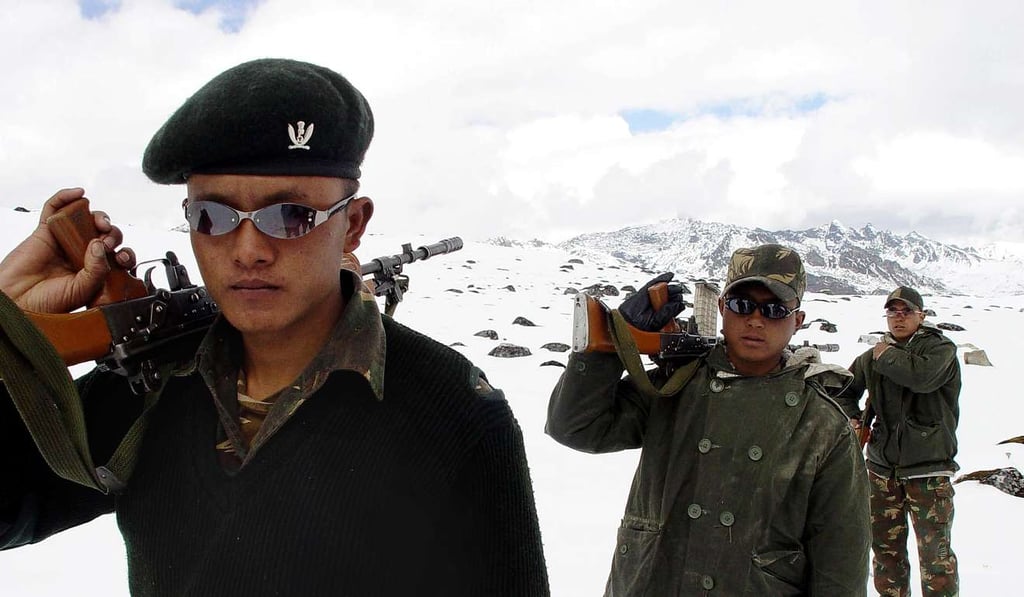
Inviting the Dalai Lama “to the contested area will inflict severe damage on the China-India relationship”, foreign ministry spokesman Geng Shuang warned after the trip was confirmed. In matching rhetoric, minister Kiren Rijiju in Narendra Modi’s cabinet announced he would meet the Dalai Lama at Tawang. It will be a rare public appearance for a minister of Rijiju’s rank by the side of the Buddhist monk as India tends to avoid such high-profile official meetings in deference to China’s sensitivities. “India is more assertive [now],” Rijiju was quoted as telling the media.
Experts baffled by China-India border stand-off amid improving ties
Relations between China and India have become strained of late. India complains China is preventing it from bringing to book Pakistan-sheltered terrorists, blocking its entry into an elite group of nuclear suppliers and pushing ahead with infrastructure projects in Pakistan that threaten its security interests. China is wary of India’s active courting of the United States and its eagerness to involve itself in distant disputes such as the South China Sea.