Questions on health of Duterte – and of Philippine democracy
President’s brief absence from public view reinforces fears over nationwide martial law

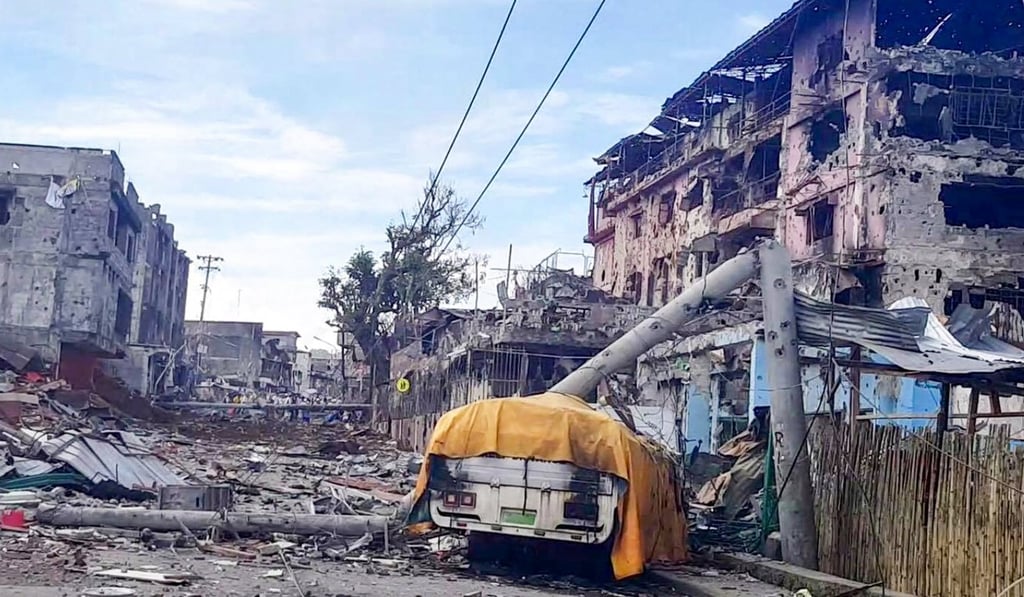
As fierce fighting in Marawi City between government troops and Islamist militants enters its fourth week, President Rodrigo Duterte mysteriously dropped out of public view for a few days, adding fuel to the speculation long swirling in the Philippines about the possibility of nationwide martial law.
Duterte failed to show up to Monday’s Independence Day celebrations and the traditional vin d’honneur at the Malacañang Palace was abruptly cancelled. Presidential spokesman Ernesto Abella said he was “not feeling well” but was “in excellent health”. On Wednesday, with the president still a no-show, Abella told reporters, “There is nothing to worry about in terms of sickness, major sickness.” Duterte just needed time “to rejuvenate” from a “brutal” 23 days of war.
Where does US role in Marawi leave Duterte’s China pivot?
Duterte finally resurfaced on Saturday after five days, and joked he had a “circumcision”.
He has in the past admitted to having Buerger’s disease, or narrowing of the arteries due to excessive drinking, a spine injury, acid reflux and daily migraine. So fears about the health of the 72-year-old president will not go away in a hurry, neither will concern about the health of the country’s democracy, which Duterte has long been suspected of subverting for an eventual autocratic takeover.
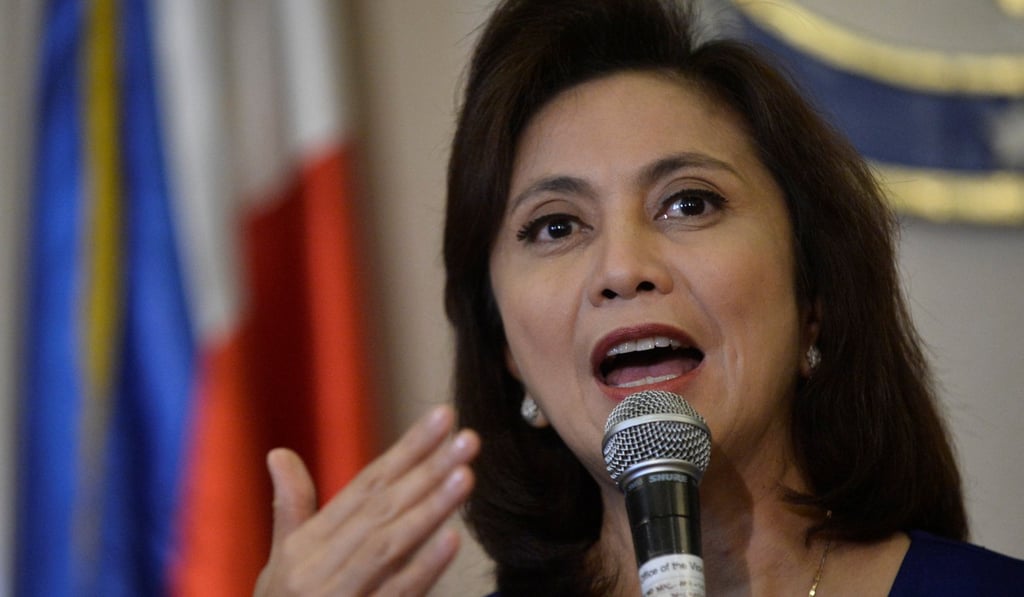
The speed with which the Supreme Court is moving on the vice-presidential electoral protest of Ferdinand “Bongbong” Marcos, Jr, for example, has alarmed many. Without naming Duterte, Vice-President Leni Robredo – whom Bongbong accuses of cheating in the election and who belongs to a rival party – sounded the alarm on Monday at the “Defend Democracy Summit”. She warned: “We are already seeing our institutions being eroded. They are already weakening. We must move swiftly...to ensure they are strong enough for our children and our children’s children.”