Why Indonesia’s Widodo had to throw Ahok under a bus
After his former ally lost Jakarta’s gubernatorial election three months ago, all signs point to the president cleaving to the more conservative power brokers within his party in order to survive

Amid the din of a few hundred protestors that he helped assemble in front of the main gate of Indonesia’s parliament, Cepu Supriyanto struggled to make himself heard by a visiting reporter.
With the help of no fewer than eight megaphones, the demonstrators belonging to the Silent Majority, an activist group he founded, screamed their support for the country’s Corruption Eradication Commission (KPK) as legislators inside mulled a censure motion that could defang the watchdog panel.
But Supriyanto, who was unaware of the Nixonian origins of the name he chose for his group, said he already had his sights on the presidential election still two years away.
“The next election will be about religion. Jokowi’s mission must be to fight against radicalism and support secularism,” Supriyanto said, using the nickname of the country’s president, Joko Widodo.
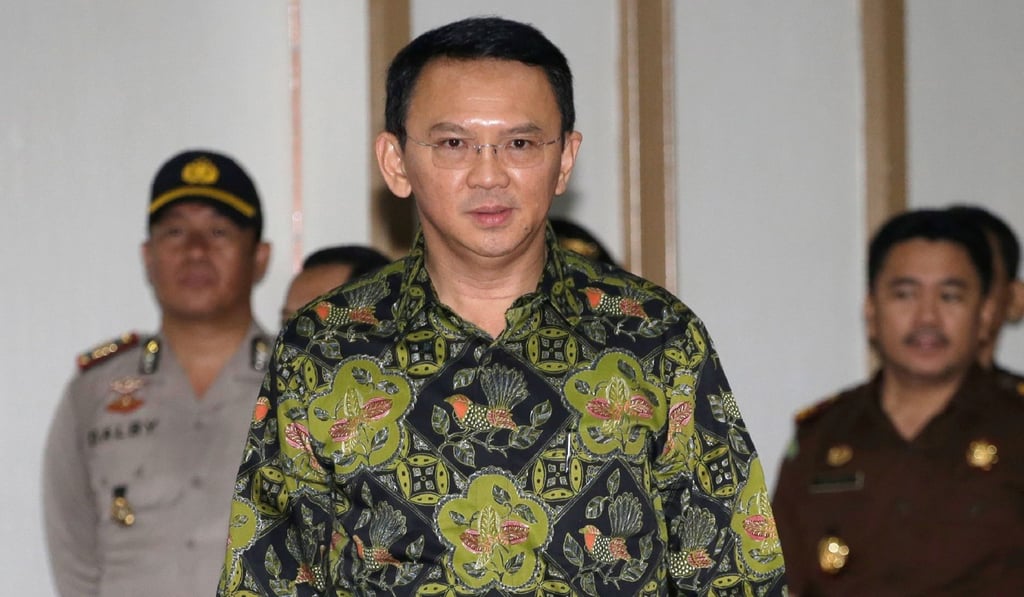
He may be disappointed. Three months after his one-time protege, Basuki “Ahok” Purnama, was denied re-election as Jakarta’s governor and then landed in jail, convicted of blasphemy, Widodo has all but jettisoned the reformist image that helped catapult him from a small-town mayor to head of state in two years. Instead, he is cleaving to the party elites he once sought to push aside, hoping to rely on their logistics, manpower and national networks to stay ahead of a voting public more conservative than he faced three years ago.
“Indonesia is hostage to shifting public sentiment that is being manipulated by Islamic radicals,” said Andrew Mantong, a researcher at the Centre for Strategic and International Studies (CSIS), a think tank, in Jakarta.