7 years later, why hasn’t Japan learned from Fukushima?
Cancer rates in children are sky high, radioactive rubbish is piling up and radiation levels are rising. Yet the government bails out the plant’s operator – even as it announces a profit and plans to resume seaside operations

Officially, more than 18,000 people died in the triple disaster. Of that total, the remains of 2,546 have never been recovered.
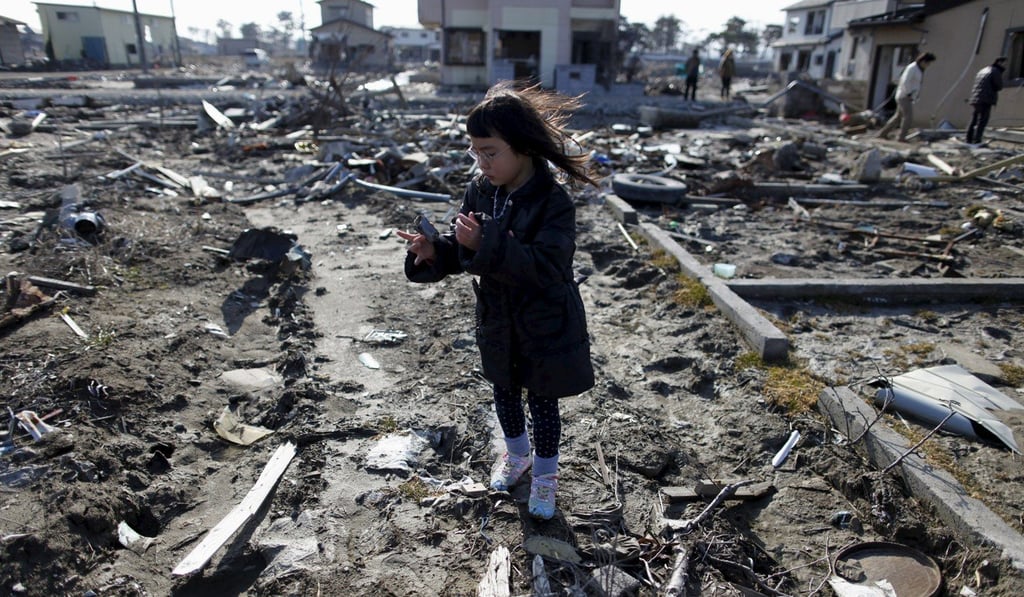
Most of the returnees smiled dutifully for the cameras, but radiation levels are still too high for anything but a fleeting visit and they were soon bused out of an area that the Japanese government still classifies as the “difficult to return to zone”.
The bittersweet images have been eclipsed, however, by the sort of unrelentingly bad headlines with which Fukushima has long been synonymous. On Monday, an investigative committee set up by the prefecture announced that cases of thyroid cancer diagnosed in Fukushima children had risen to 152 in 590,000. A Japanese epidemiologist named Toshihide Tsuda published a paper in 2015 saying the usual rate is a maximum of three cases per million. Officially, however, the cancers are not being linked to the disaster.
