What will Pakistan’s new leader Imran Khan deliver for China?
The election of the former cricketer as prime minister of Pakistan leaves plans for the China-Pakistan Economic Corridor on a sticky wicket

The umpire was on his side and the field had been set in his favour – there was little that stood between Imran Khan and power. And China took no chances. Even as Khan was taking his run-up to this week’s much discredited election, Beijing took its guard, preparing against any nasty inswingers the former pace bowler might spring on Pakistan’s staunchest ally.
In Pakistan’s currency crisis, China is the problem and the solution
Chinese diplomats have lobbied the PTI intensely since, but with limited success. The master plan for CPEC was expanded in 2015 in response to complaints that it ignored northwest Khyber Pakhtunkhwa province, administered by a coalition led by Khan’s party. By then, however, PTI activists had joined prominent Pakistanis questioning whether CPEC was a modern-day equivalent of the East India Company, which ruled the Indian subcontinent in the 19th century.
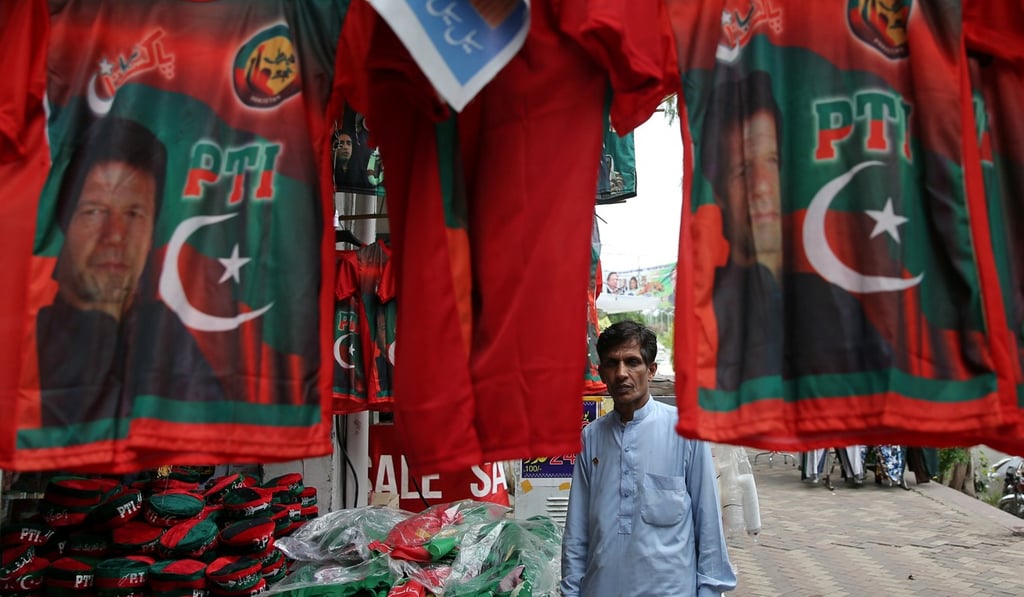
The PTI subsequently toned down its rhetoric, but indirectly attacked CPEC by persistently criticising Chinese-funded mass transit projects in three cities of the populous eastern Punjab province, governed by chief minister Shahbaz Sharif, brother of the recently ousted prime minister, Nawaz Sharif. The PTI characterised the projects as a waste of money that should have been spent on education and health care, and insinuated that corruption was rife in the CPEC projects.
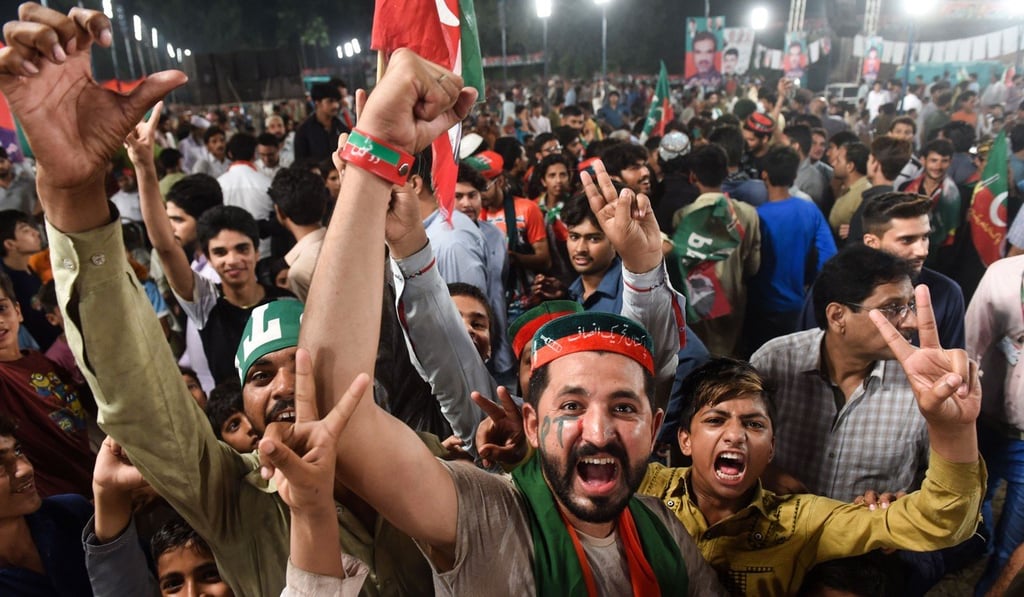
PTI politicians also seized on a fake news story about corruption in a CPEC-funded bus project in the central city of Multan last year, drawing an angry public riposte from China. Sheikh Rashid Ahmed, a close ally of Khan, has declared he intends to investigate a CPEC power generation project for evidence of corruption by Shahbaz Sharif.