Medecins Sans Frontieres wants legal status for Rohingya
‘Stateless limbo’ making refugees from Myanmar vulnerable to exploitation, says head of mission in Bangladesh

The Medecins Sans Frontieres’ (MSF) head of mission in Bangladesh is calling for Rohingya refugees to be legally recognised both in Myanmar and Bangladesh, as about a million people remain stranded in makeshift camps in southern Bangladesh.
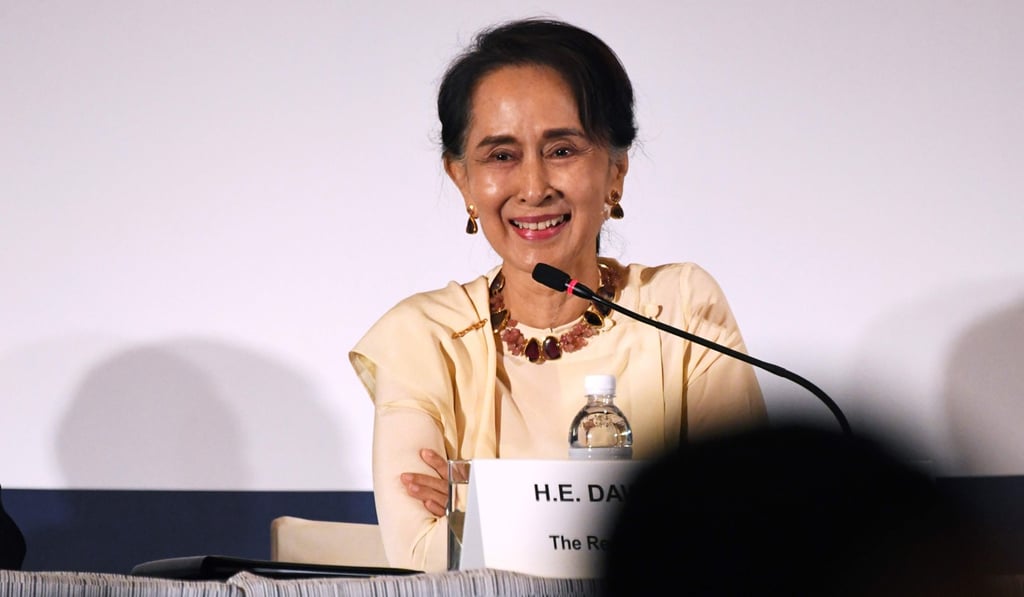
His comments come on the heels of Myanmar’s de facto leader Aung San Suu Kyi’s reiteration of support for the measures her government has taken in handling the crisis, despite mounting international criticism.
Over the past year, some 700,000 people Rohingya have crossed the border to Bangladesh fleeing violence and persecution in Myanmar’s Rakhine state. A major conflict broke out in August last year, after a Muslim Rohingya armed group allegedly attacked government forces, following decades of ethnic tension in the Buddhist-majority Myanmar. The security forces launched a fierce counteroffensive, burning down villages and killing hundreds of people, and setting in motion a chain of genocidal attacks on the Rohingya.
“The Rohingya need to be recognised in all of the forms that come with their humanitarian needs, but also their status … They should be respected, allowed to seek basic health care and protection from community and government, and to be able to work and to be educated,” said Pavlo Kolovos, MSF head of mission in Bangladesh.
But “that will only happen when Myanmar is able to look at a long-term solution in conjunction with Bangladesh and support from the region. Until then, it will be a huge burden to maintain even the basic conditions for the Rohingya,” he said.
Although Rohingya regard themselves as native to Rakhine, where more than one million of them lived before hundreds of thousands fled their homes, Myanmar has denied most of them citizenship, restricting their access to some of the most basic rights.