Malaysia’s reform-minded ‘young guns’, from Nurul Izzah to Khairy Jamaluddin, take aim at race-based politics
- Young political leaders – including the daughter of PM-in-waiting Anwar Ibrahim, and an Umno stalwart – are distancing themselves from intra-party power tussles to position themselves as the leaders of a new generation

While the old guard of Malaysian politics forms factions in intra-party power tussles, younger politicians are distancing themselves from the fracas to steer the country away from race-based identity politics and pursue parliamentary reform.
Member of Parliament Nurul Izzah Anwar, daughter of democracy icon and prime minister-in-waiting Anwar Ibrahim, made waves by resigning from the government and as vice-president of her father’s People’s Justice Party (PKR) last month to pursue her “beliefs and ideals” as a backbencher.
“My only regret is that I should have made this announcement sooner, but it has not been an easy decision to arrive at … Now that I have had the chance to take stock of where I stand in relations to politics, I am resolved to doing the right thing,” said Nurul Izzah, 38, who served as chair of the Malaysian Technical and Vocational Education and Training Empowerment Committee (TVET).
Her decision sparked speculation about her motivations, with theories ranging from disillusionment with the party following internal elections overshadowed by allegations of vote-buying and bribery; an attempt to counter accusations of nepotism; and even a falling out with her father over PKR’s refusal to accept defectors from the opposition.
Responding to his daughter’s decision some days later, Anwar, 71, pointed the finger of blame at “certain individuals within [the] party leadership” who were more concerned with consolidating their own power rather than serving the people and the party.
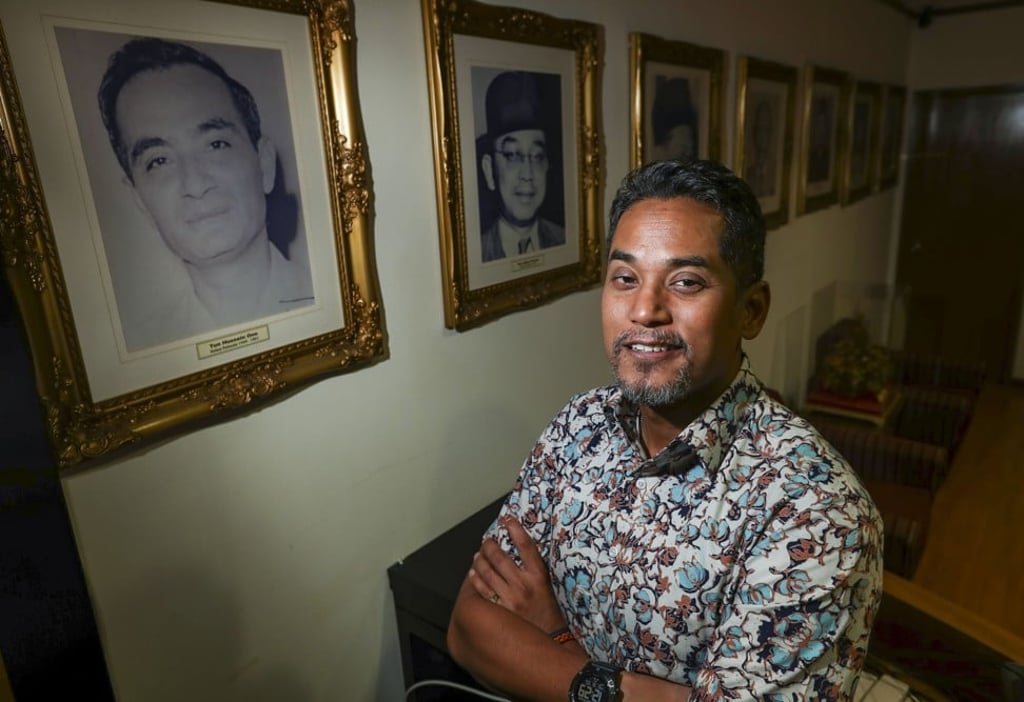
Nurul Izzah, who chaired one of several new parliamentary committees set up to address issues including gender equality and public appointments, was soon spotted having lunch with opposition stalwart Khairy Jamaluddin, 42, of the United Malays National Organisation (Umno), and Rafizi Ramli, who was recently appointed PKR vice-president.
The meeting bolstered talk of a possible third force being set up by the progressive and reformist “young guns”, who command strong support among younger Malaysians. Although the trio quickly quashed the rumours, their image as the faces of young, alternative politics was cemented.