Watch the throne: what does the king’s dramatic abdication mean for Malaysia?
- Sultan Muhammad V’s decision is likely to shock citizens who are unused to modern-day upheavals in the monarchy
- The confirmation he has stepped down comes after speculation following the king’s two-month leave of absence

The dramatic development – for which the palace offered no official reason – is likely to shock citizens who largely revere the country’s hereditary rulers and are unused to modern-day upheavals in the monarchy.
“His Majesty has officially conveyed this [decision to abdicate] to the Malay rulers via a letter issued to the secretary of the Conference of Rulers,” said a statement issued by the palace.
“The King, during his tenure, worked to fulfil his responsibilities and the trust given him as Head of State, working to be an anchor of stability, a source of justice, a core of unity and the protector of unification among the people.”
In the statement, the sultan conveyed his thanks to the other Malay rulers who chose him as the Yang di Pertuan Agong in December 2016, and to the Prime Minister and the government who cooperated in overseeing the country.
The Conference of Rulers is a meeting of Malaysia’s nine Malay sultans and other civilian heads of states.
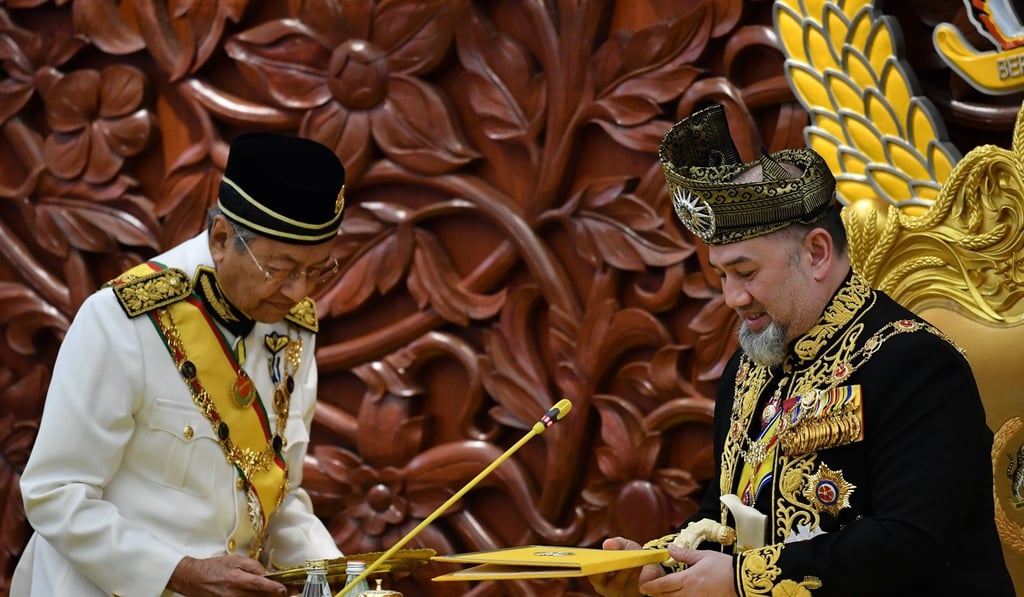
Malaysia is a constitutional monarchy where the various rulers and governors perform a role similar to the queen of England. The Agong – or “king of kings” – is appointed to a five-year stint in the position, which he rotates with the other sultans, by the Conference of Rulers.