-
Advertisement
Malaysia
This Week in AsiaPolitics

In Malaysia, hopes for racial unity as Independence Day approaches. The reality? Growing division

  • The country’s multicultural identity becomes a cause for celebration every August as Malaysia gears up for its national day party
  • But democratisation is now pushing politicians to exploit ethnic differences for electoral gain, and many fear a slide towards bigotry and radicalisation
Reading Time:5 minutes
Why you can trust SCMP
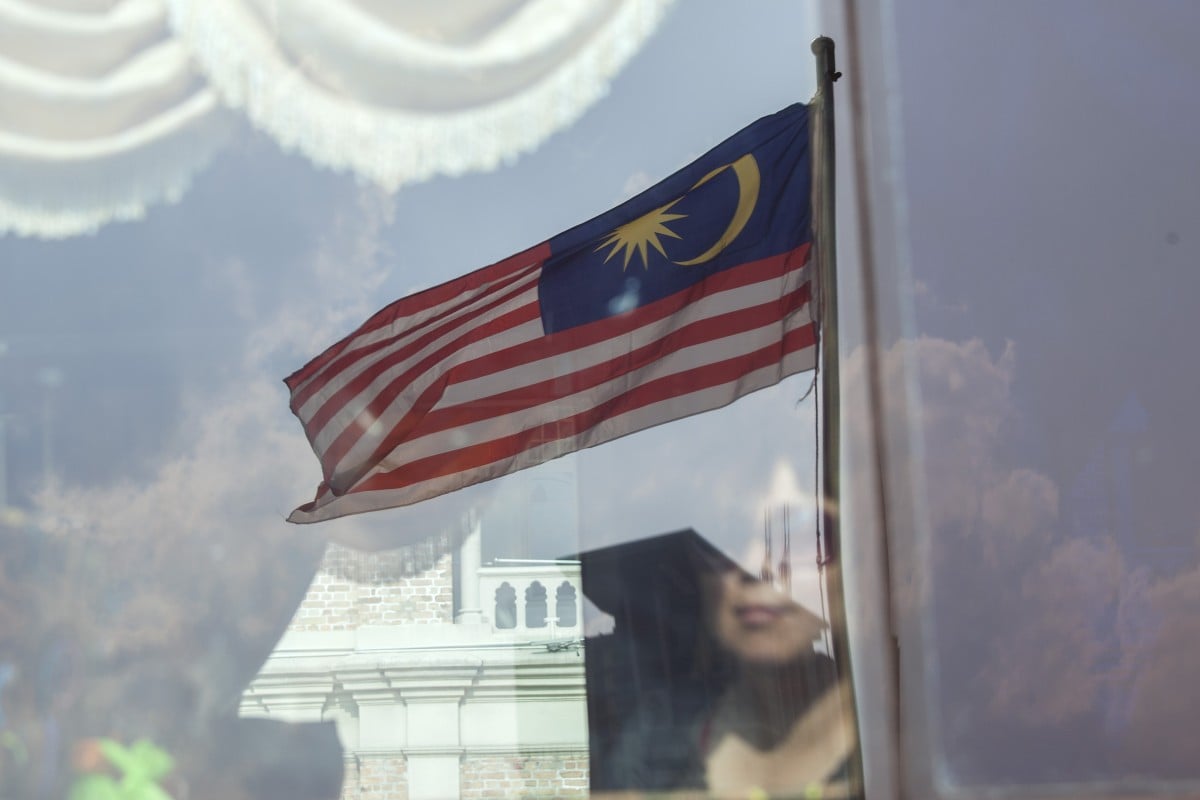
A Malaysian flag is reflected on a bus window in Kuala Lumpur. Photo: Bloomberg
Tashny Sukumaran
August in Malaysia usually sees a month-long swell in patriotic feel-good sentiment as the nation looks forward to Independence Day celebrations on the 31st – but this year, instead of nationalistic cheer, bubbling racial issues are causing turbulence among citizens and within the multi-ethnic Pakatan Harapan coalition.
The recent racially charged public furore over issues such as the presence of controversial Indian Muslim preacher Zakir Naik in Malaysia, the introduction of Arabic-Malay calligraphy into the primary school syllabus, police investigations into a Chinese education advocacy group and one state’s push to legalise the unilateral conversion of minors to Islam have all caused unease in multiracial, multireligious Malaysia, where racial rhetoric is a popular political tool.
These are all symptoms of growing racism and an increasingly divided Malaysia, observers say, just a year after landmark general elections saw the former ruling coalition Barisan Nasional turfed out by the Mahathir Mohamad-led Pakatan Harapan alliance after more than six decades of uninterrupted rule.
Advertisement

“Malaysians are becoming more divided and politics is becoming about expediency rather than uniting the people. People are putting their self-interests ahead of unity,” said political analyst Awang Azman Awang Pawi, from the University of Malaya’s Academy of Malay Studies.
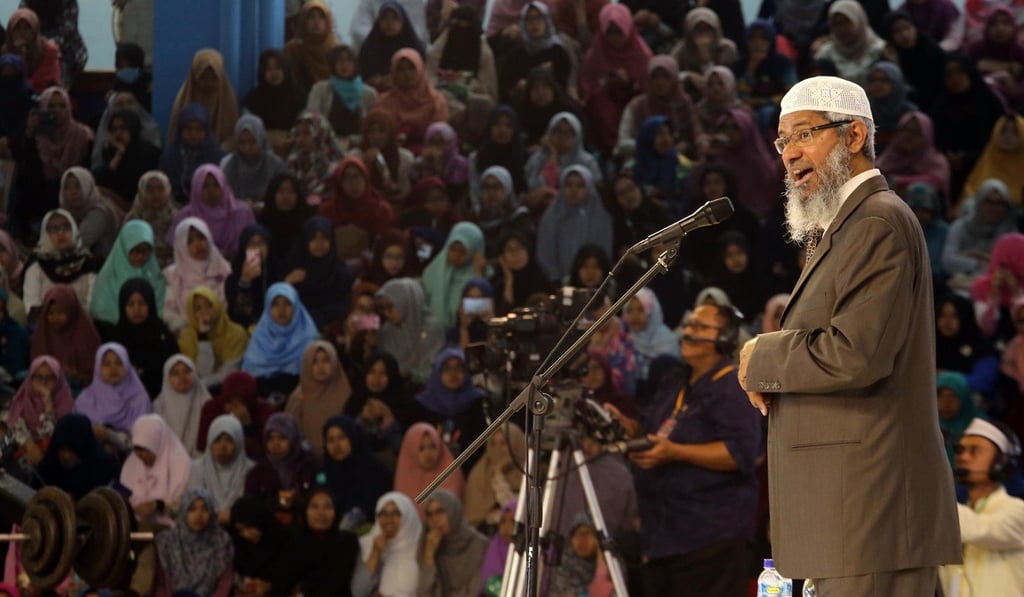
The presence of controversial Indian Muslim preacher Zakir Naik in Malaysia has sparked public disquiet. Photo: Alamy
Advertisement

Ethnopolitics had a market, said senator Liew Chin Tong, because of its emotive value and undue emphasis on different backgrounds rather than a shared destiny. “We need to be able to make middle-ground causes emotive too,” said Liew, who is from Pakatan Harapan’s Democratic Action Party. “What we need is empathy. Lifting Malaysians out of poverty, making sure that people have jobs, making sure that people have food on the table … these can be equally emotive.”

Malaysia’s democratisation has proved a double-edged sword as new leaders struggle to execute economic, institutional and legal reforms while retaining the support of Malay-Muslims – the country’s largest vote bank at over 65 per cent of the population.

Advertisement
Select Voice
Select Speed
1.00x