Advertisement
AnalysisDeft diplomacy and economic realism help India sell its Kashmir and Assam policies
- New Delhi has played its cards right to ensure global powers do not rock the boat over controversial futures mapped out for the two far-flung regions
- But while many are onside now, analysts warn India cannot expect something for nothing
4-MIN READ4-MIN

Pakistani Prime Minister Imran Khan last week appealed for global intervention in the country’s dispute with India over Jammu and Kashmir. Khan wrote in a piece for an international newspaper that failure to do so by major powers would open the door to “direct military confrontation” between the South Asian neighbours.
The article drew a muted response from the international community.
The next day Pakistan’s foreign minister sought to tone down the rhetoric, calling for talks with India because “war was not an option”.
Advertisement
The sequence of events, ending in Pakistan’s offer of conditional talks, was symbolic of India’s diplomatic upper hand.
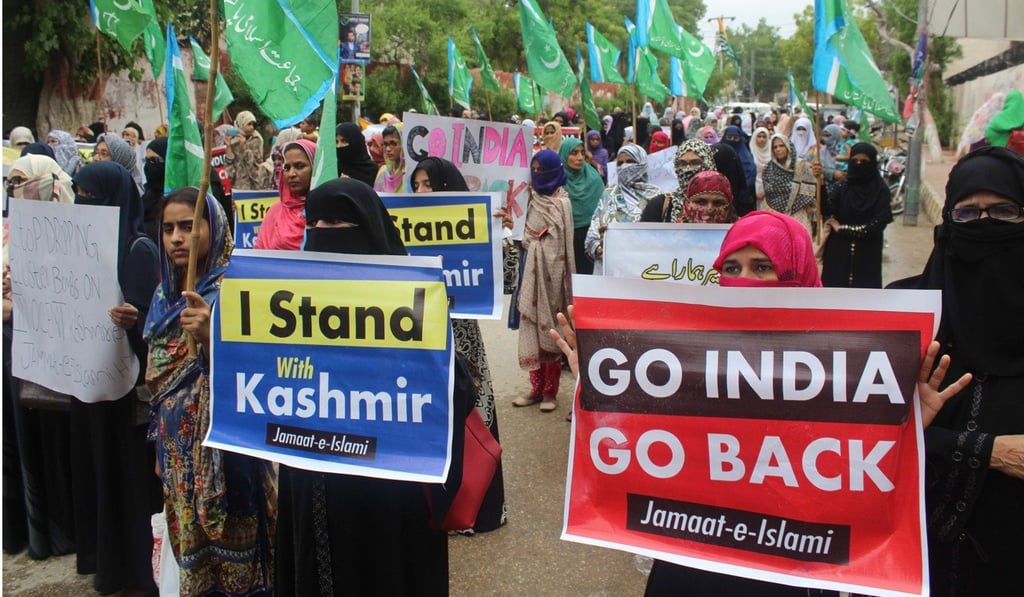
On Thursday it will be one month since an unprecedented shutdown began in the conflict-ridden Indian region, after New Delhi decided to strip the state of its autonomy and divide it in two. Communication services remain disconnected, shops and businesses shut. Families struggle to contact each other, while political leaders and activists have been detained.
Advertisement
Advertisement
Select Voice
Select Speed
1.00x