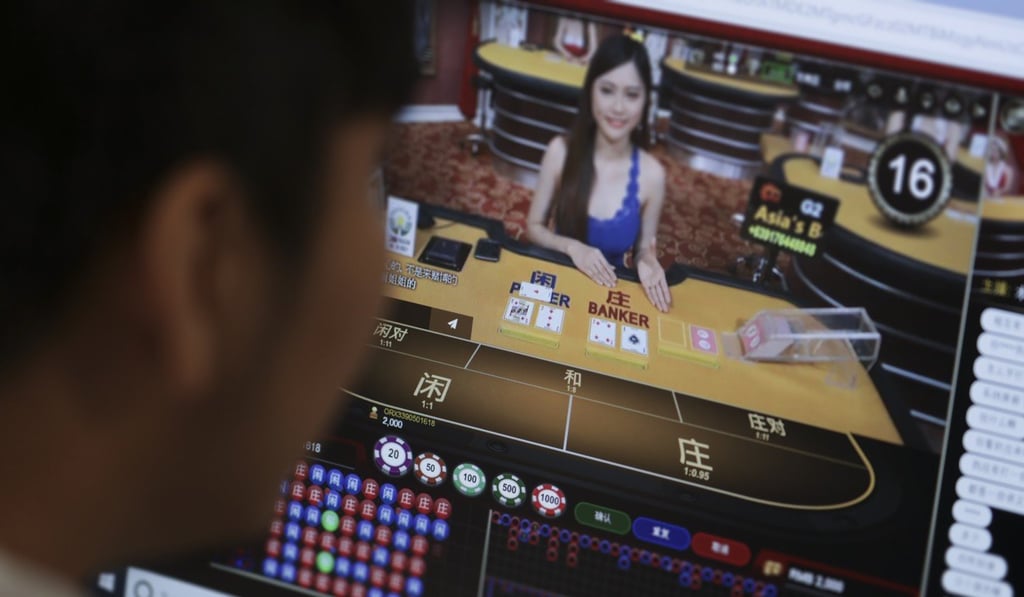
China turns the tables on Philippines’ offshore gambling habit
- The rise of offshore gambling in the Philippines has created winners and losers, as an influx of Chinese workers raises both revenue and rents
- But as Beijing pressures Manila for a clampdown, the odds for all involved may be changing

“We can stay here only until December,” says Alex, 65, a Filipino small-business owner, as she looks forlornly around the canteen that has doubled as her family’s home for close to 30 years. She says her landlords are keen not to be “left behind” by a property boom that has been fuelled by an influx of Chinese workers into the Philippine capital. The owners of her building plan to redevelop it into a block of apartments that will command a higher rent, she says.
Diane, 29, a call centre agent, is in a similar position. Her family has been given the same deadline to leave a two-storey apartment where they have lived for 20 years. “Just a hunch, but we think it will be rebuilt as low-rise apartments, like the new ones down the street. Then they will rent it out to the Chinese,” she says.
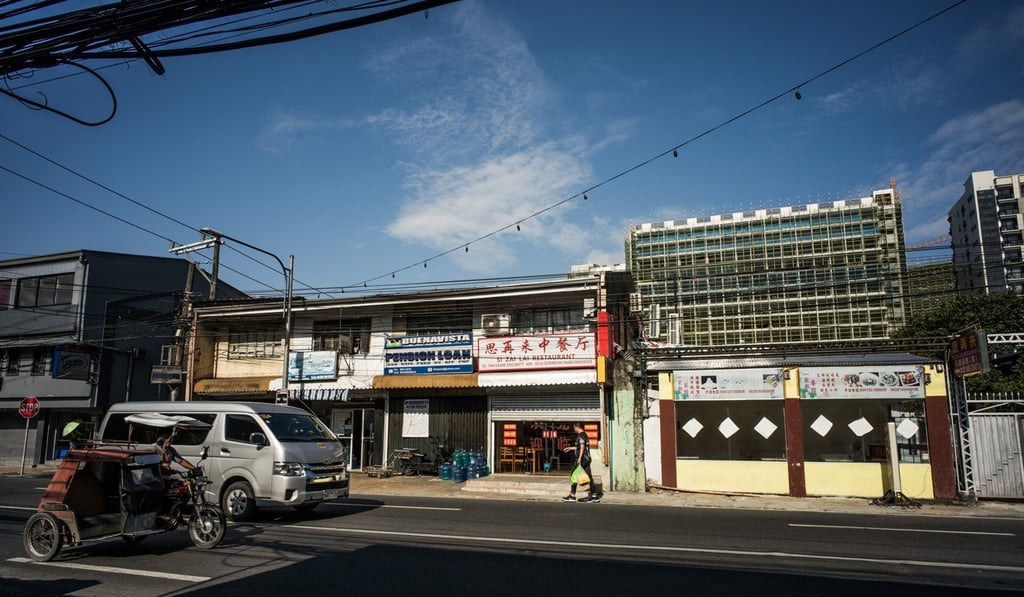
Tambo is no anomaly. Across Manila’s dozens of business districts the story is largely the same, with unofficial estimates putting the influx of Chinese workers over the past two years in the hundreds of thousands.
While there is little doubt this influx has produced losers – like Alex and Diane – it has also produced many winners, landlords and real estate companies among them, not to mention government departments whose coffers are swelling. Yet there are signs the tables may be about to turn for everyone involved. Manila is under intense pressure from Beijing to clamp down on the industry. Gambling is illegal in China and Beijing believes cross-border gaming operations are used by foreign criminals to embezzle funds and illegally recruit workers. Manila, for its part, has put on something of a poker face regarding China’s demands. Fresh from a recent visit to China, Duterte this week vowed he would resist Beijing’s demands for a complete ban on online gaming, yet his words belied the fact that the Philippines has already shown signs of clamping down on the industry, suspending new online gaming licence applications indefinitely. This in turn has led many observers to suggest the odds in this particular game have shifted significantly.