Sri Lanka’s tilt towards China expected to be ‘low key’ as new president Gotabaya Rajapaksa takes the reins
- Incoming leader says he will not allow the island nation to be pulled into a proxy contest among the world’s major powers
- But analysts foresee a cautious creep towards the pro-Beijing policies of predecessor and brother Mahinda

Sri Lanka’s freshly elected president Gotabaya Rajapaksa will take a “low key” approach in restoring the cosy ties the country enjoyed with China during the 2005-2015 presidency of his brother, analysts said, as the new leader stressed on Monday that he would adopt a strictly neutral foreign policy.
Paul Staniland, a prominent scholar of Sri Lankan politics, said Gotabaya was more likely to “spread his bets by reaching out to a variety of powerful states in the region and beyond”.
Expectations before Saturday’s elections had been that he would not only sweep the polls against his main rival, Sajith Premadasa, but that he would also swiftly revert back to the overtly pro-Beijing foreign policy of his brother Mahinda.
In his inaugural speech, the president said he would not allow the island nation to be pulled into a proxy contest among the world’s major powers.
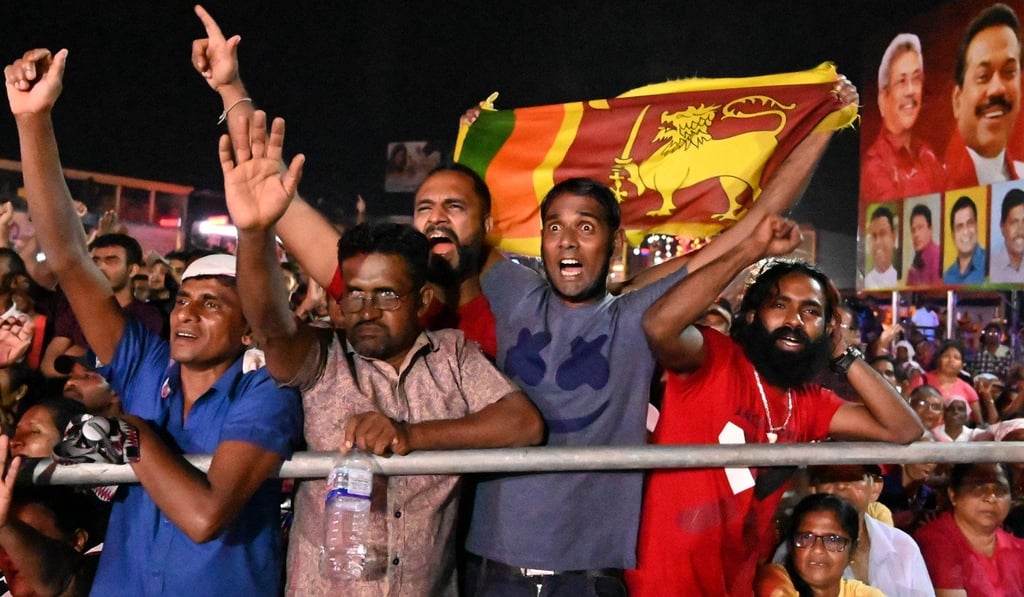
The 70-year-old won 52.25 per cent of the nearly 16 million votes cast, with the country’s majority Sinhala population overwhelmingly backing his platform that touted a return to his brother’s strongman leadership style and a focus on national security.
The Rajapaksa brothers – alongside their two other siblings Basil and Chamal – are immensely popular among Sri Lanka’s Sinhalese population because of their role in crushing Tamil separatists and ending a 26-year civil war in 2009.