Advertisement
China-Nepal Railway: debt trap, godsend, threat to India, or just a pie in the sky?
- Lofty ambitions of a Himalayan railway entertained by Mao Zedong have been revived by Xi Jinping
- Even if technical and environmental problems can be overcome, Nepal faces another danger: debt
5-MIN READ5-MIN
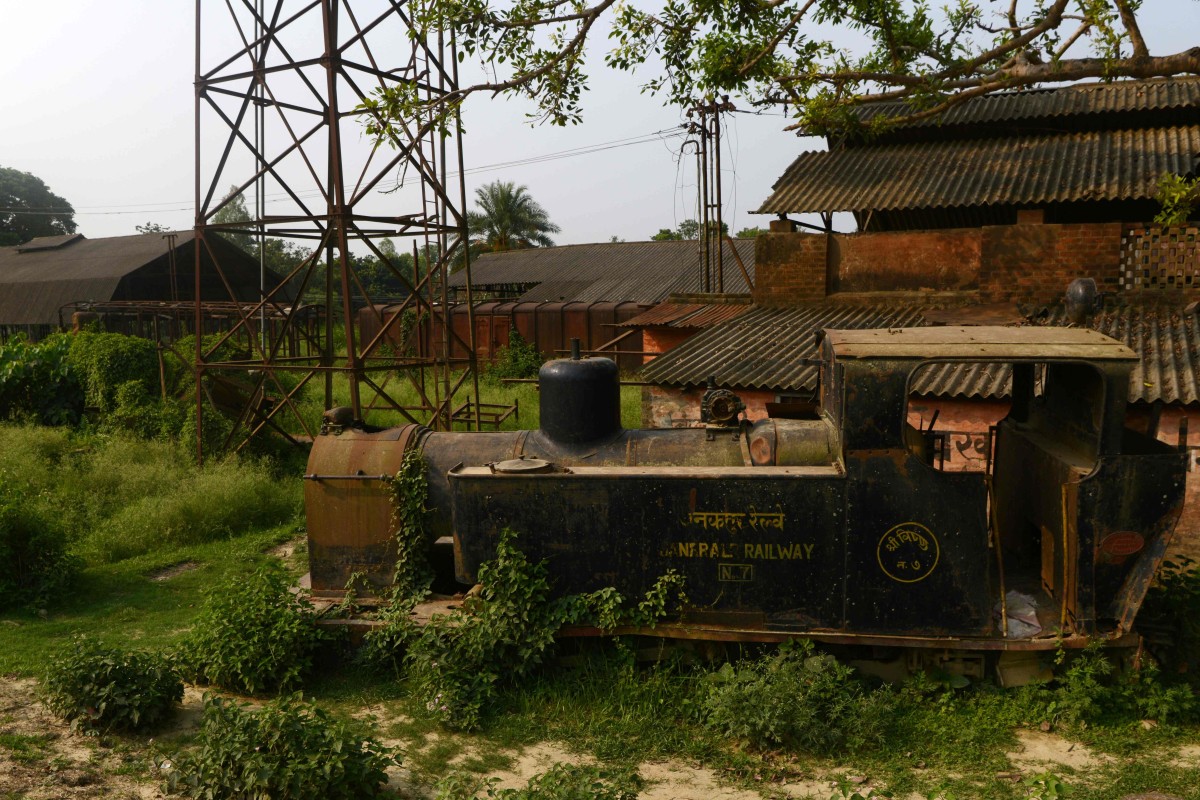
The idea of a railway linking China to Nepal has captured imaginations on both sides of the border ever since Mao Zedong and King Birendra first mooted the idea in 1973.
In the decades since, the dream has survived a royal massacre in which Birendra was shot to death by his own son and heir, a Maoist insurgency and decade-long civil war, an earthquake that killed 9,000 and destroyed many of Kathmandu’s most iconic monuments, and a crippling five-month trade blockade by India.
Now, 45 years later, with China seeking new avenues for its Belt and Road Initiative investments and Nepal in search of a counterweight to Indian influence, the stars may finally have aligned for a project many have long derided as unfeasible.
Advertisement
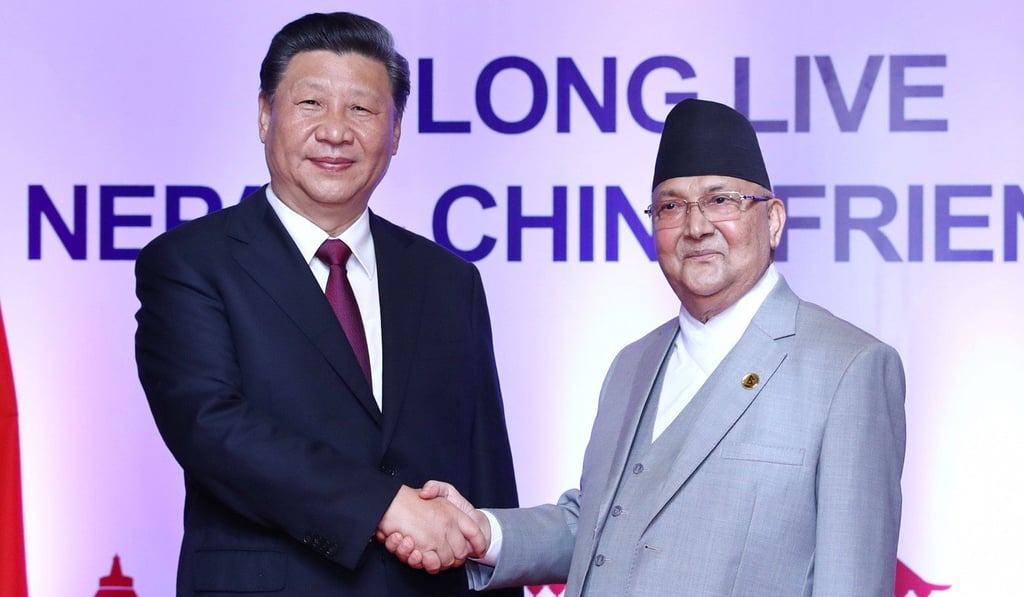
Plans to carry out an extended, detailed feasibility study into the railway project were among 20 deals signed between the two nations during Chinese President Xi Jinping’s official visit to Nepal in October, leading the project’s most ambitious backers to suggest it could be a reality by 2035 or earlier.
Advertisement
Under the shared vision for the project, trains would run from a terminus at Sankhu on the eastern fringes of Kathmandu to Gyirong on the Tibetan border, carrying both goods and passengers. Some have speculated the line could also be extended west to Pokhara, Nepal’s second city and its main tourism hub in the middle of the country, and south to Lumbini near the Indian border.
The positives for both nations are clear: Nepal would gain a new avenue for trade and tourists, easing its reliance on neighbouring India, while Beijing would boost its belt and road plan, which has been under fire of late due to allegations its largesse in developing regional infrastructure is part of a sinister plan to entrap smaller nations in debt.
Advertisement
Select Voice
Select Speed
1.00x