Advertisement
As Taiwan votes, will there be any shift in ties with Indonesia?
- Tsai Ing-wen has used her New Southbound Policy to strengthen relations with 18 countries, including Indonesia
- But analysts say it has been hamstrung by the One China policy, leading to questions about its future shape if Tsai wins or loses the election
4-MIN READ4-MIN

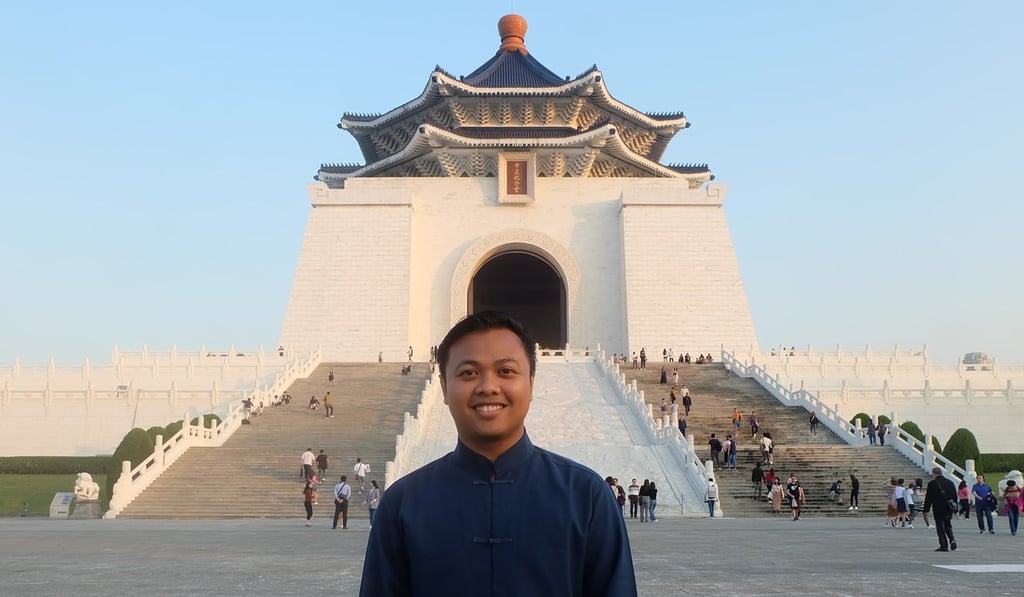
Since arriving in Taipei last year on a Taiwanese government scholarship, Indonesian journalist Teddy Tri Setio Berty, 25, has learned about 300 Mandarin words and can even ask for directions and order food.
The Jakarta-based reporter said he applied for the six-month language course at Taiwan’s Soochow University to experience life abroad. “I want to feel more of what has been felt by those who live in an environment with different religious, racial or ethnic backgrounds,” said Berty, a Muslim.
“I feel that Taiwan is the right and friendly place for me to have that [cultural understanding] experience,” he said.
Advertisement
Since coming to power in 2016, Taiwan’s current president Tsai Ing-wen has used the New Southbound Policy (NSP) to ramp up economic and trade collaboration, people-to-people exchanges, resource sharing and institutional links between Taiwan and 18 countries, including 10 Asean member states, in the hope of reducing its economic dependence on China.
Advertisement
But as Tsai and her pro-independence Democratic Progressive Party (DPP) fight a presidential election on Saturday, analysts say the policy has not yielded much success in trade though it has achieved more people-to-people exchanges between Taiwan and Indonesia.
Advertisement
Select Voice
Select Speed
1.00x