-
Advertisement
Kashmir
This Week in AsiaPolitics

India’s crackdown on VPNs in Kashmir seeks to quell cyber-insurgency threat but risks blowback

  • In order to bypass a ban on social media use, Kashmiris are using VPNs, risking prosecution under anti-terrorism legislation
  • Amnesty International has urged the Indian government to ‘let the people of Kashmir speak’

Reading Time:6 minutes
Why you can trust SCMP
Young Kashmiris connect their mobile phones to a virtual private network (VPN) to access social media. The Indian government banned the internet in Kashmir in August but restored 2G internet services in late January, with selective restriction on access. Photo: EPA-EFE
Rayan Naqash
The Indian government has launched a major crackdown in Jammu and Kashmir against internet users who access blacklisted social media sites through virtual private networks in defiance of a temporary government ban on social media, throwing the Indian-administered part of Kashmir into further turmoil.
Kashmir had been without internet access since August 5, when New Delhi annulled the Muslim majority region’s limited autonomy to bring it under direct federal oversight. On January 26, authorities restored a slow-speed, censored version of the internet, with only a few hundred websites available for viewing.

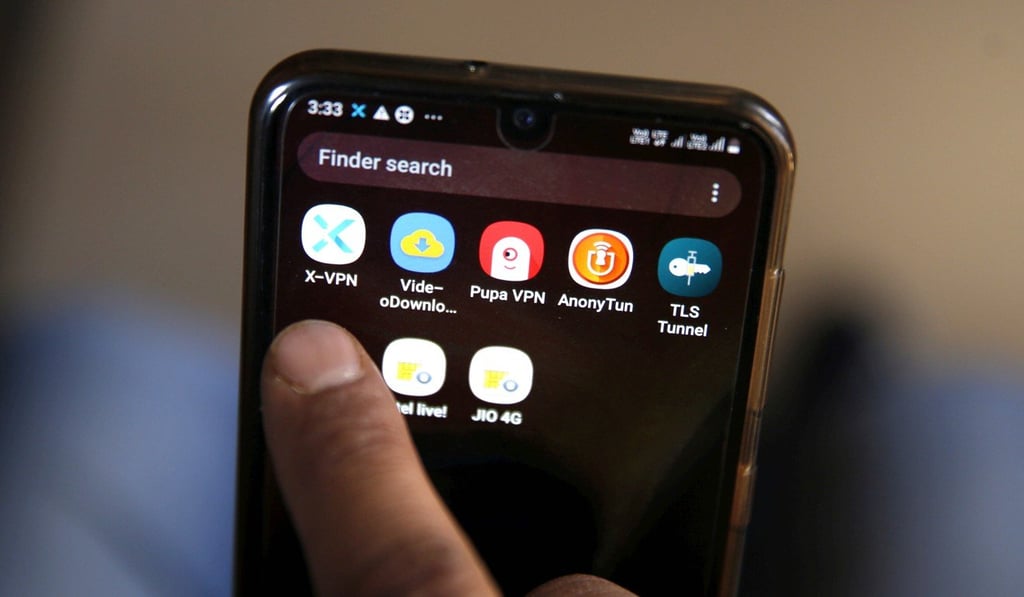
To overcome the ban on social media, many Kashmiris have resorted to using VPNs – proxy servers that circumvent the Indian government’s firewall and give Kashmiri users full access to the internet through proxy connections in other countries. But using VPNs now could invite prosecution under India’s recently amended anti-terrorism law.
Advertisement
A Kashmiri connects a mobile phone to a virtual private network to access social media in Srinagar, the summer capital of Indian Kashmir. Photo: EPA-EFE

At least that was the message received by Kashmir residents last week when the police opened a case under the anti-terrorism law against 10 people who they say had “defied Government orders and misused social media platforms” through VPNs, according to a police statement.

Advertisement

According to reports in the local press, police are also investigating at least a thousand other VPN and social-media users for “creating chaos and confusion” and “glorifying militancy and secessionism”.

Authorities have registered the case under India’s broadly worded terrorism legislation – the Unlawful Activities Prevention Act, which was enacted in 1967 but amended and strengthened last August.

Advertisement
Select Voice
Select Speed
1.00x