Coronavirus: for Malaysia’s new leader Muhyiddin, a deadly litmus test
- Muhyiddin Yassin came into power just as the coronavirus was beginning to spread through Malaysia
- Keeping the economy afloat is his greatest test, but it is also a chance to silence critics and win over a doubting public

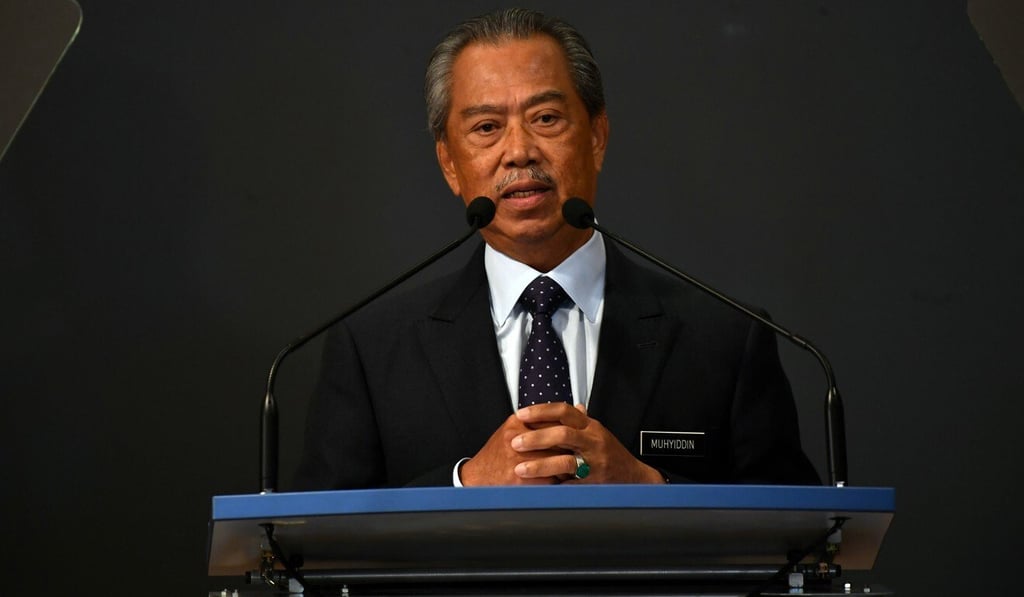
Malaysian Prime Minister Muhyiddin Yassin’s first month on the job has been a tortuous one: a health epidemic, economic woes and a powerful opposition force threatening a no-confidence motion in parliament are among the crises he has been faced with.
With the country one week into a lockdown that will last at least another three weeks, the economy is already taking a hit as workers and employers alike struggle to cover overheads and worry about job security.
On Friday Muhyiddin announced an economic stimulus package worth 250 billion ringgit (US$57.3 billion) – an estimated 17 per cent of the GDP. That total includes an earlier slew of measures announced on February 27 by the Mahathir administration, which unveiled a 20 billion ringgit package largely aimed at the tourism industry, as well as a moratorium on loan repayments.
The latest stimulus package comes just days after the new Perikatan Nasional, or National Alliance, government announced measures such as allowing Malaysians to withdraw 500 ringgit a month from a secondary account in their Employees Provident Fund (EPF), a compulsory savings plan for private-sector employees, and an extension for student loan repayments for up to six months – moves that were criticised in some quarters as asking the people to use their own money to get through the crisis rather than easing their economic concerns.