-
Advertisement
Coronavirus pandemic
This Week in AsiaPolitics

Malaysia is beating coronavirus, so why should Muhyiddin be worried?

  • The country, once the worst hit in Southeast Asia, is now relaxing measures after a stunning turnaround in fortunes
  • But the new prime minister is not getting the credit. Rather, attention is now returning to his democratic legitimacy

Reading Time:5 minutes
Why you can trust SCMP
A shop selling headscarves in Kuala Lumpur. Businesses in Malaysia are reopening amid signs measures against the coronavirus are bearing fruit. Photo: AP
Tashny Sukumaran

As Malaysia settles into a new normal with a relaxed, conditional lockdown set to last until early next month, its citizens are preparing to resume work amid signs that its efforts to stem the spread of Covid-19 are bearing fruit.

The nation’s handling of the coronavirus outbreak has earned widespread praise for reversing the fortunes of what was at one point the worst-hit country in Southeast Asia, although detractors blame its strict two-month lockdown for worsening socioeconomic inequalities.
Cases are now tapering off, with the nation recording just 36 new infections on Friday – a far cry from the hundreds recorded daily in March. There have been 112 deaths, making its mortality rate 1.63 per cent. The rate in South Korea, another country widely praised for its response to the virus, has been estimated at between 2.25 and 2.63. Also on Friday, the national mosque reopened for the first time since the lockdown began.

However, public health experts are cautioning against complacency and urging the government to improve its stretched health care system to head off future crises.

Advertisement

“That we’ve kept the pandemic more or less under control for now is a testament to our public health care workers. They’ve been working tirelessly to their own detriment. Part of our new normal has to include giving our public health care system the financial resources it needs,” said analyst Nazihah Muhammad Noor of Khazanah Research Institute, a non-profit think tank.

“We need to increase the number of permanent posts for health care workers, so we can alleviate some of the burden faced by the health workforce and prevent burnout. We also need to increase our funding on preventive health services, which has the potential to reduce the need for curative care later on.”
Advertisement
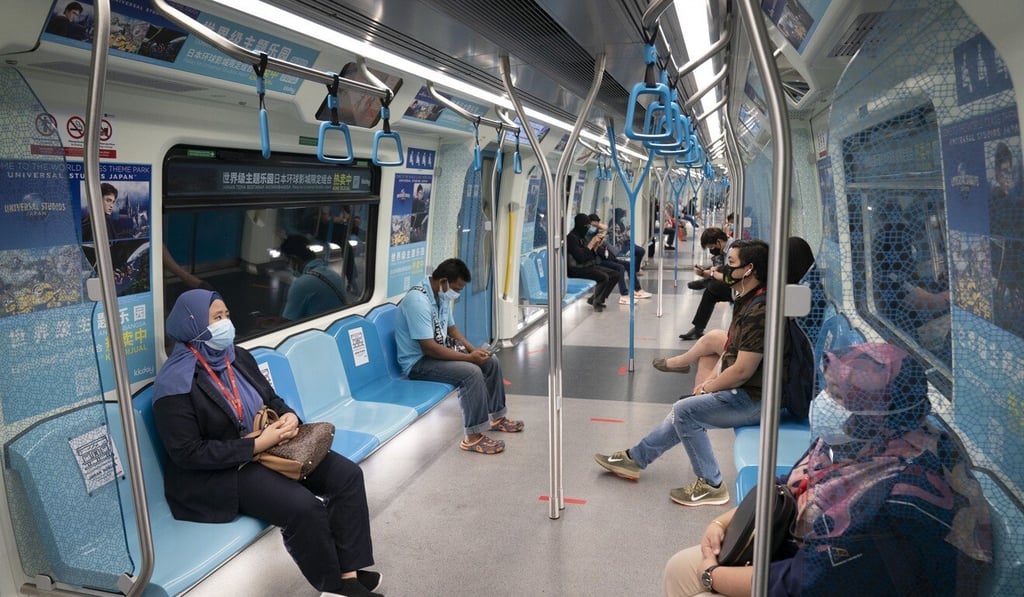
Commuters on a Mass Rapid Transit train in Kuala Lumpur. Businesses in Malaysia are reopening amid signs measures against the coronavirus are bearing fruit. Photo: AP
Advertisement
Select Voice
Select Speed
1.00x