Indonesia coronavirus: Isis affiliates wooing new recruits unhappy with pandemic policies, experts say
- The extremist groups are using public unhappiness with Jakarta’s response to the pandemic as fuel for their efforts, online as well as offline
- There are also still more than 550 children of Indonesian Isis recruits in Syria, according to a source, raising fears they will be radicalised too
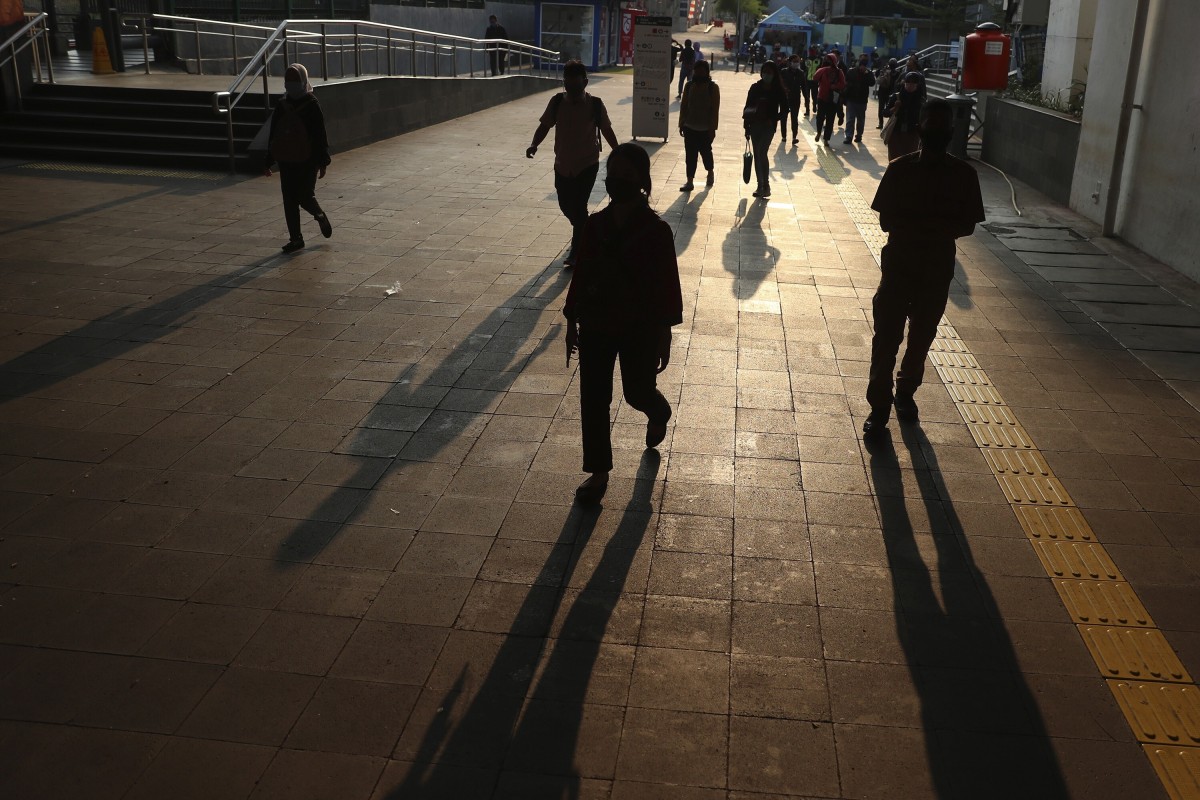
Unemployment has spiked and more people in the informal sector – estimated to make up between 60 and 70 per cent of the economy – are struggling due to movement restrictions and low consumer spending over recession fears.
“The people are a bit unhappy with the government’s handling of the pandemic, and this is the opportunity for extremist groups to come in with their propaganda that an Islamic state must be established … that it would solve all their problems and the pandemic would end,” said Febri, who was speaking after a webinar organised by the Centre for Radicalism and Deradicalisation Studies (PAKAR).
As people spent more time online during the pandemic, he feared that some – particularly young people who were lonely, in a state of confusion or jobless – would come across content spread by extremist groups.
“There is a need to cross check everything that you read on the internet. I did not do that when I was searching for my family in Syria,” said Febri, adding that he was “shocked, lonely and depressed” they had left without telling him.