Philippines mulls ‘Marcos Day’ on September 11 to honour late dictator
- Ferdinand Marcos led an authoritarian regime and his family looted billions of dollars from the country, before he was toppled in a peaceful uprising
- Now a group of lawmakers have sparked outrage by calling for his birthday, September 11, to be a holiday in his home province
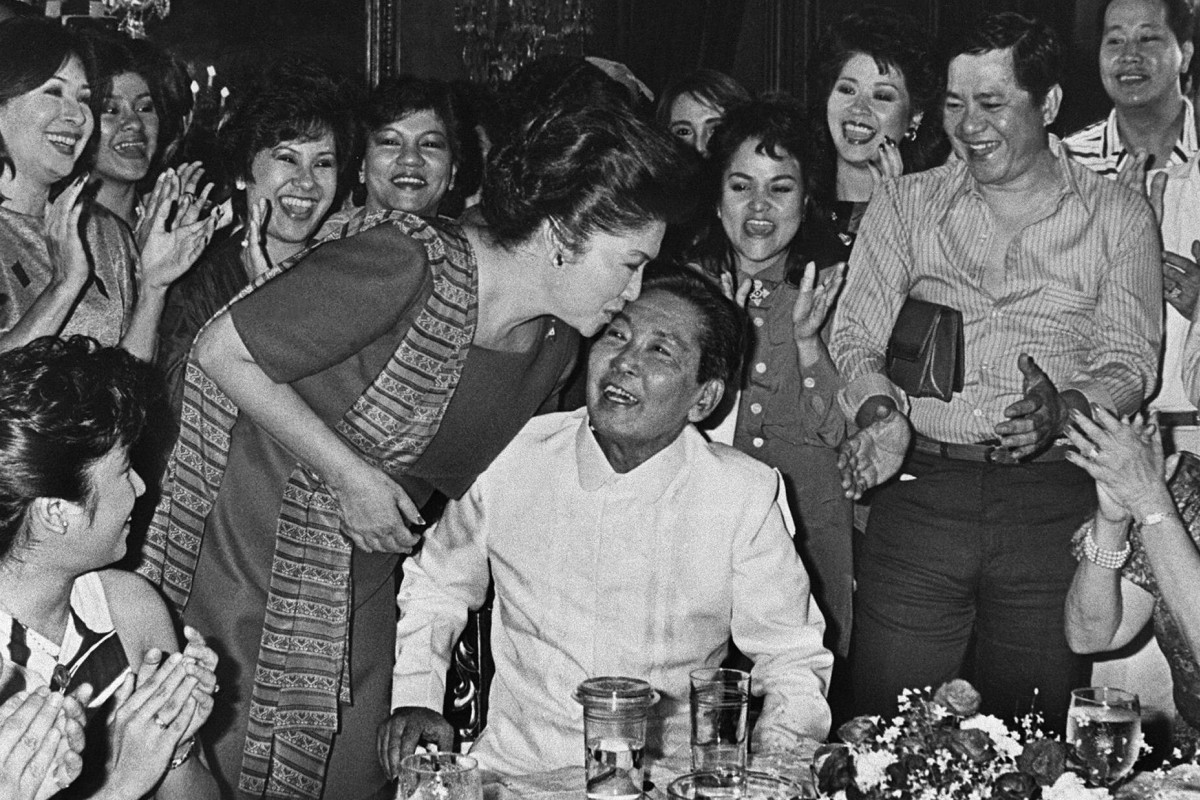
The lawmakers are calling for September 11 to be known as President Ferdinand Edralin Marcos Day, or “Marcos Day”, as outlined in a bill sent by Congress – as the House of Representatives’ lower chamber is colloquially called – to the senate for enactment. It would be a special non-working holiday in Ilocos Norte province, the bill reads, because the dictator “served as inspiration for young leaders to exemplify his leadership and governance”.
Marcos ran for president as a self-proclaimed war hero, but many of his claims were later discovered to be false. He declared martial law in 1972, and under his dictatorial rule Filipinos were stripped of basic freedoms, with thousands arrested, tortured and murdered. Before his regime was finally toppled by the peaceful “People Power Revolution” in 1986, it had plundered around US$10 billion and brought the country to the brink of economic ruin. Marcos died in exile in Hawaii in 1989.
The bill has sparked outrage in the Philippines, with senator Francis Pangilinan – president of the opposition Liberal Party – among those who have condemned it.
“It would be inappropriate to honour a tyrant and thief,” he told This Week in Asia, pointing out that Congress in 2013 passed a bill awarding compensation to victims of human rights abuses under martial law.
“[That 2013 bill] recognised the widespread abuses and atrocities committed by the Marcos regime and apportioned 10 billion pesos [US$205.7 million] as compensation to thousands of its victims, taken from the recovered ill-gotten wealth of the Marcoses,” Pangilinan said, adding that “no less than our Supreme Court” had declared the funds “ill-gotten”.