India-China border: Tibetans at Pangong Tso race to help amid warnings military face-off could take ‘any trajectory’
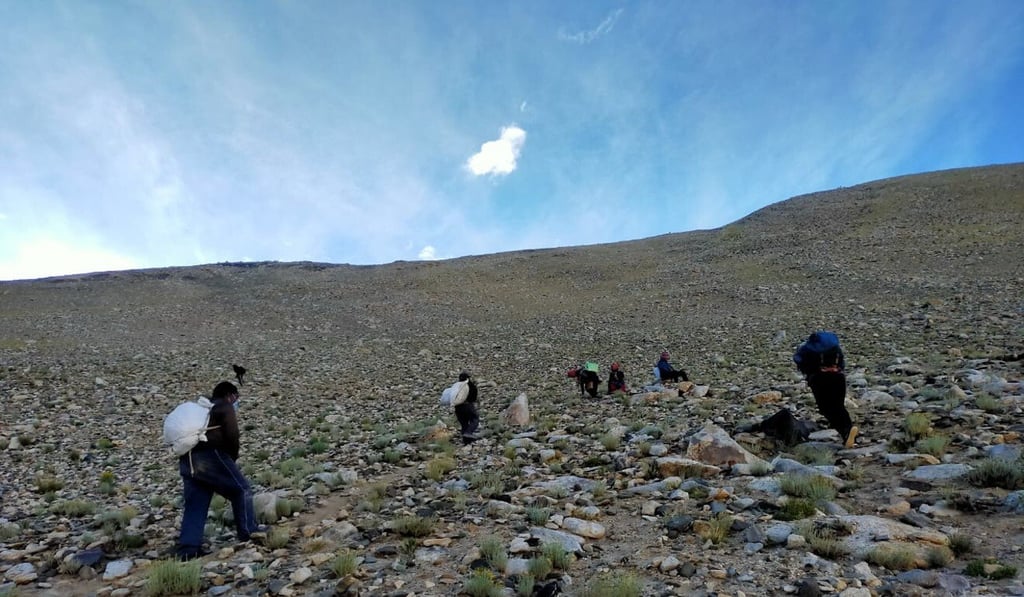
- Families of those who fled after Beijing sent troops into Tibet in 1950 are now helping New Delhi supply its forward bases in the icy heights of Ladakh
- Soldiers from both sides are reportedly in eyeball-to-eyeball proximity as foreign ministers Wang Yi and S. Jaishankar are expected to meet in Moscow

Nawang Dorjay and his family had been looking forward to the summer. The Tibetan Buddhists live in a campsite in Ladakh, where mountain passes mark India’s disputed border with China. Their home overlooks the serene, turquoise waters of the glacial Pangong Tso lake, and they run a cafe further north in Durbuk village – areas that would normally be frequented by hundreds of thousands of tourists at this time of year.
But the family of seven have not seen a single cent’s worth of business this year. To curb the spread of Covid-19, the administration of Prime Minister Narendra Modi instituted a complete lockdown in Ladakh from March 25 to the middle of June. Then, even as the country continued battling the deadly coronavirus, a confrontation between Indian and Chinese soldiers in May sparked a lengthy, unprecedented stand-off that this week escalated into the first exchange of fire along the border in 45 years.
Latest India-China border clash turns spotlight on Tibetan refugees in Special Frontier Force
But instead of fretting about their losses, the 28-year-old and his family are working themselves into a different kind of frenzy.