Cambodia is taking a pungent, potent approach to food diplomacy: prepare for prahok
- Phnom Penh is looking to use the fermented fish paste – a staple of Khmer cuisine – as a way to boost soft power
- It’s an approach to nation branding that has also been taken by other Asian nations, including the likes of Japan, Thailand and Malaysia

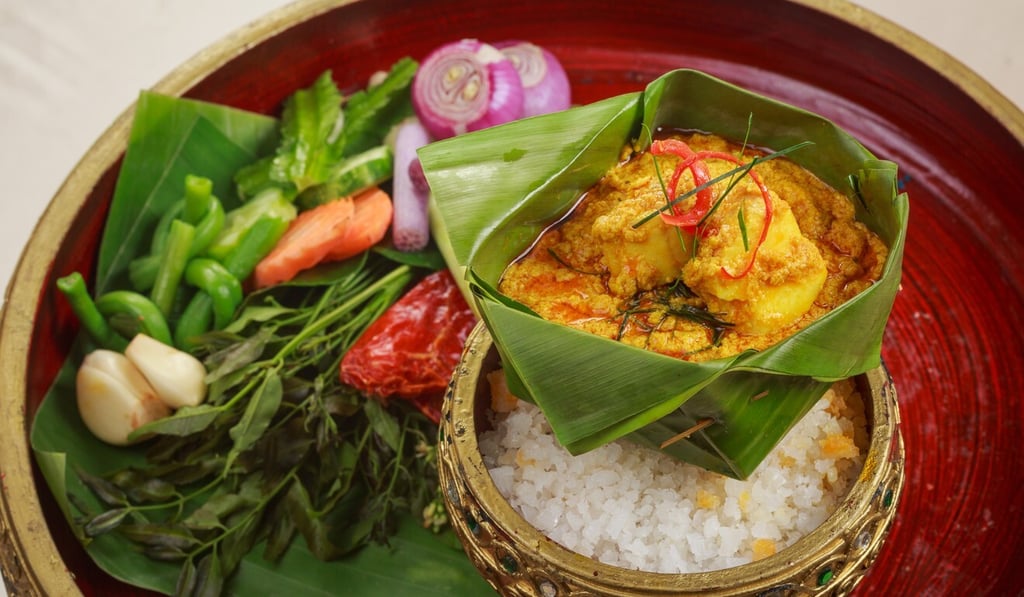
If the country’s government and people have their way, it will most certainly be prahok. Described as the secret ingredient in any Khmer kitchen, the salted, crushed and fermented fish paste is used as a seasoning or condiment to add depth of flavour to just about every dish. It’s so pungent that it is also sometimes known as “Cambodian cheese”, and is usually eaten with rice or vegetables, or as a dipping sauce.
The authors point out that prahok provides a unique savoury sensation that “enhances and harmonises the four traditional basic tastes of sweet, sour, salty and bitter”. Khmer cuisine also commonly uses sugar, lime, and fish sauce to bring out the flavours of local ingredients, in combination with fresh herbs and fragrant spices such as lemongrass, galangal, kaffir lime leaves, and turmeric.
Apart from being an essential element of a country’s intangible culture and one of the most powerful symbols of national identity, Rethy and Siriwat also noted that “food can be strategically deployed as a diplomatic tool for nation branding”.
They noted that Cambodia had not yet fully exploited this extraordinary opportunity for nation branding until recently, when food became one of the pillars of its cultural diplomacy strategy. When contacted by This Week in Asia, Siriwat Chhem said an official document on economic diplomacy, in which food diplomacy was a key element, was released by the Ministry of Foreign Affairs and International Cooperation in the Khmer language last month.