Is Japan downplaying the danger Fukushima water poses to human health?
- Tokyo’s decision to release over a million tons of contaminated water from the nuclear plant into the Pacific has angered China, fishermen and Greenpeace, but Japan insists safety standards are being met
- However, Tokyo’s focus on the nuclide tritium is disingenuous, campaigners say. Why the silence on strontium, rhodium, iodine and ruthenium, they ask

He said the water would be released into the Pacific “while ensuring that safety standards are cleared by a wide margin and firm steps are taken to prevent reputational damage” to the local fisheries industry.
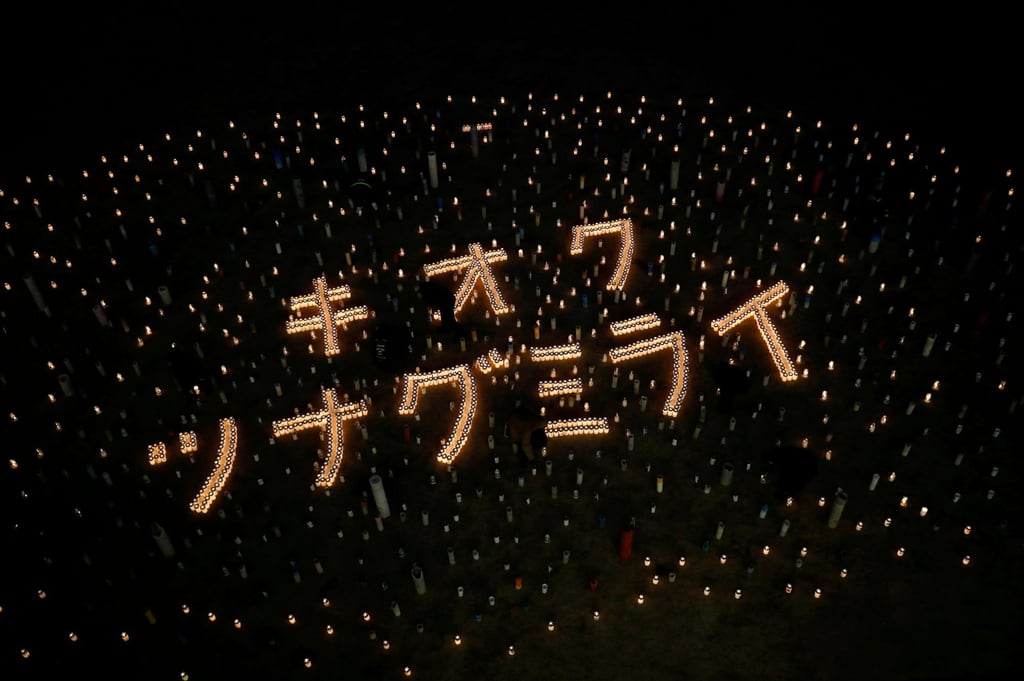
Fishermen are deeply unhappy with the decision, which they have long opposed on the grounds that it will decimate an industry already struggling to overcome perceptions that their catches have not been not safe for human consumption since the 2011 tsunami and earthquake that prompted a meltdown at the nuclear power plant. Most of the water Japan plans to release was used after the meltdown to cool the plant’s reactors. The Japanese government contends that, following treatment, the water is now safe to release but its claims have prompted widespread scepticism.
Hiroshi Kishi, the head of the national federation of fisheries co-operatives, said the decision was “extremely regrettable” and “utterly unacceptable”.
“The government has repeatedly acted contrary to the promise it made that it would not take any action without the understanding of all concerned,” said Hideyuki Ban, co-director of the Tokyo-based Citizens’ Nuclear Information Centre. “It is an act that makes us lose confidence in the government’s promise not only for the present but also for the future.”