ExplainerSingapore’s Foreign Interference law: what does it cover and who does it target?
- The government didn’t specify sources of foreign meddling, but examples it gave include actions of a US envoy in Singapore and events matching alleged Chinese-linked activities overseas
- Chinese-American academic Huang Jing was expelled in 2017 for being an agent of foreign influence, but there was no formal confirmation of who he was working for
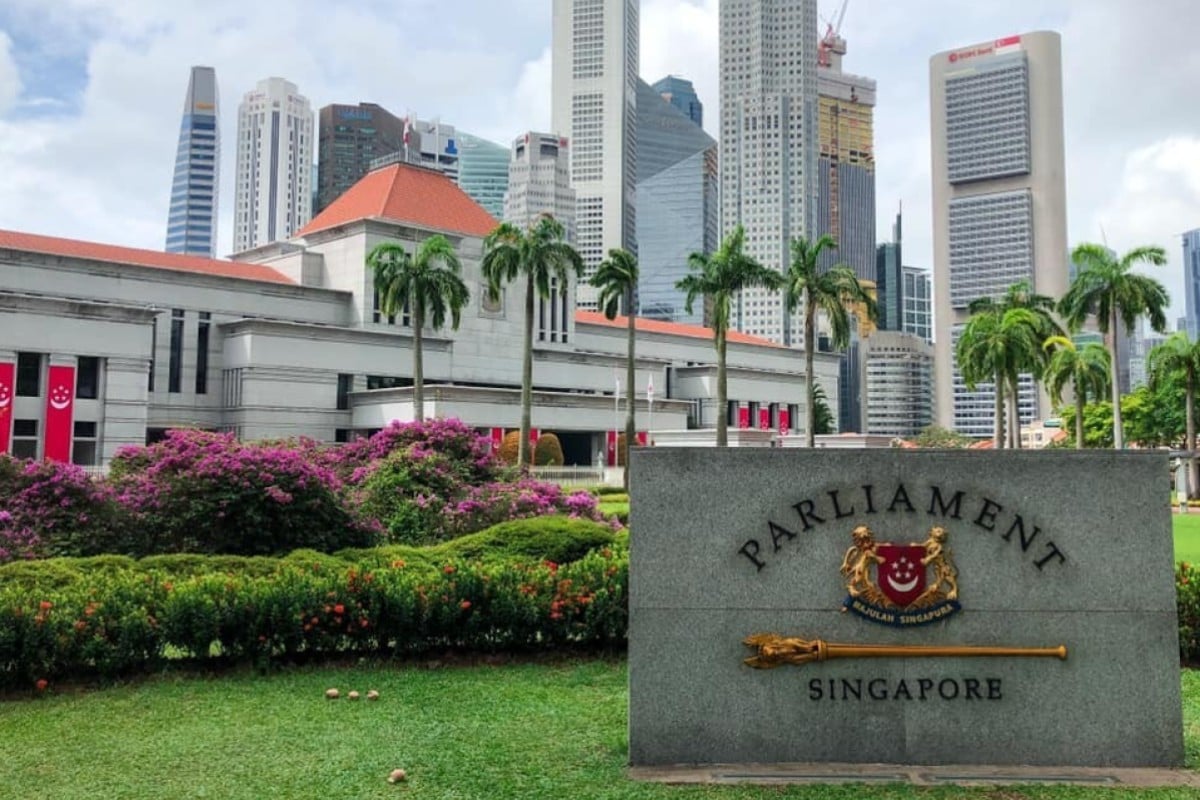
The republic’s 104-seat legislature, where the ruling People’s Action Party (PAP) has 83 seats, green lit the Foreign Interference (Countermeasures), or Fica, bill with 75 lawmakers giving their approval, 11 MPs – all from the opposition – voting no, and two abstentions.
The bill will be enacted into law after receiving the assent of President Halimah Yacob.
Monday’s debate featured fierce debate between the bill’s architect, home affairs and law minister K. Shanmugam, and opposition MPs who echoed civil society’s views that the legislation was too broad and lacked adequate oversight measures.
The minister described the bill as the “the best balance that we can find between dealing with the risks and providing checks against abuse”.
But opposition MPs, like the Workers’ Party lawmaker Leon Perera, said while the scourge of interference was a real threat, “the solution should never be to simply give the government more and more broad discretionary powers that can be used against citizens, critics and opposition parties among others”.