South China Sea: will Aukus affect Asean’s code of conduct talks with Beijing?
- China is eyeing gains in its negotiations with Asean for a code of behaviour in the resource-rich waters, as President Xi Jinping meets bloc leaders on Monday
- Beijing’s assertive tactics in the disputed waters, the Aukus alliance and Cambodia’s chairing of Asean are factors that will shape the meeting outcome, analysts say

For decades, the claims by China, Brunei, Malaysia, the Philippines and Vietnam have remained unresolved, and attempts between Beijing and the Asean bloc to draft a framework for rules and standards in the resource-rich waters have not borne fruit.
At a meeting last weekend between Chinese Foreign Minister Wang Yi and Asean diplomatic envoys, Wang said both China and the bloc should advance consultations on the issue.
But as the leaders gear up for a fresh round of talks, changes in the regional security landscape over the past couple of years may have an impact on how Asean nations approach the discussions this time, analysts say.
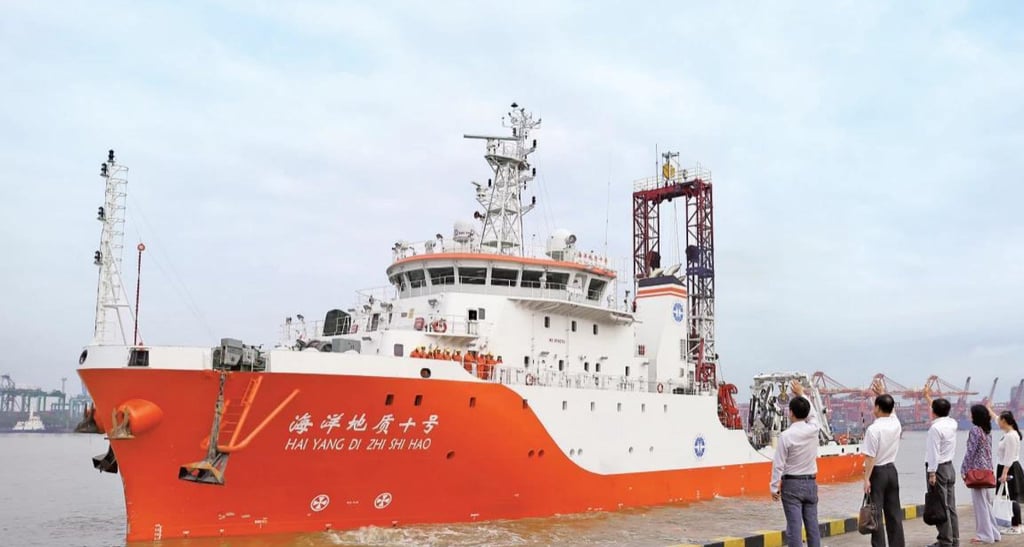
Aristyo Rizka Darmawan, an international law lecturer at the University of Indonesia, said Indonesia was likely to raise the issue of illegal surveillance due to the presence of Chinese survey ship Haiyang Dizhi 10 in Indonesia’s exclusive economic zone (EEZ) bordering the South China Sea in recent weeks.
“I think it will also happen for other claimants,” Darmawan said. “Current issues that happened in the last few months might add [talking] points to the negotiation.”
The Philippines, for example, has issued a volley of protests against Chinese activities in the disputed waters this year, with the foreign ministry saying last month that more than 70 per cent of South China Sea-related protests in the last five years were filed this year. Malaysia has also summoned the Chinese envoy in Kuala Lumpur twice this year to protest the presence of Chinese ships in its exclusive economic zone.