Japan boosts coastguard fleet to counter increasing Chinese patrols near disputed Diaoyu Islands
- Japanese coastguard is to get 10 new patrol vessels by the end of the decade in a development that is likely to increase tensions with Beijing
- The move comes amid Japanese claims that Chinese ships are increasingly entering waters around the disputed East China Sea islands, with 34 ‘intrusions’ last year

The first of the additional coastguard ships – weighing 1,300 tonnes and with a crew of 30 – is due to be deployed within the next two years, with the rest being launched before the end of the decade. Japan’s Coastguard is not a military organisation but, under the Police Official Duties Execution Act, its vessels are permitted to fire on foreign vessels to prevent a “heinous crime,” including an attempt to land at the Senkakus, Chief Cabinet Secretary Katsunobu Kato said last year.
On Monday, Japan’s coastguard reported that Chinese government ships entered its territorial waters around the disputed East China Sea islands on 34 occasions last year, up from 24 intrusions the previous year. The islands are claimed by Beijing, which refers to the uninhabited archipelago as the Diaoyus. However, they are administered by Japan, which refers to them as the Senkakus.
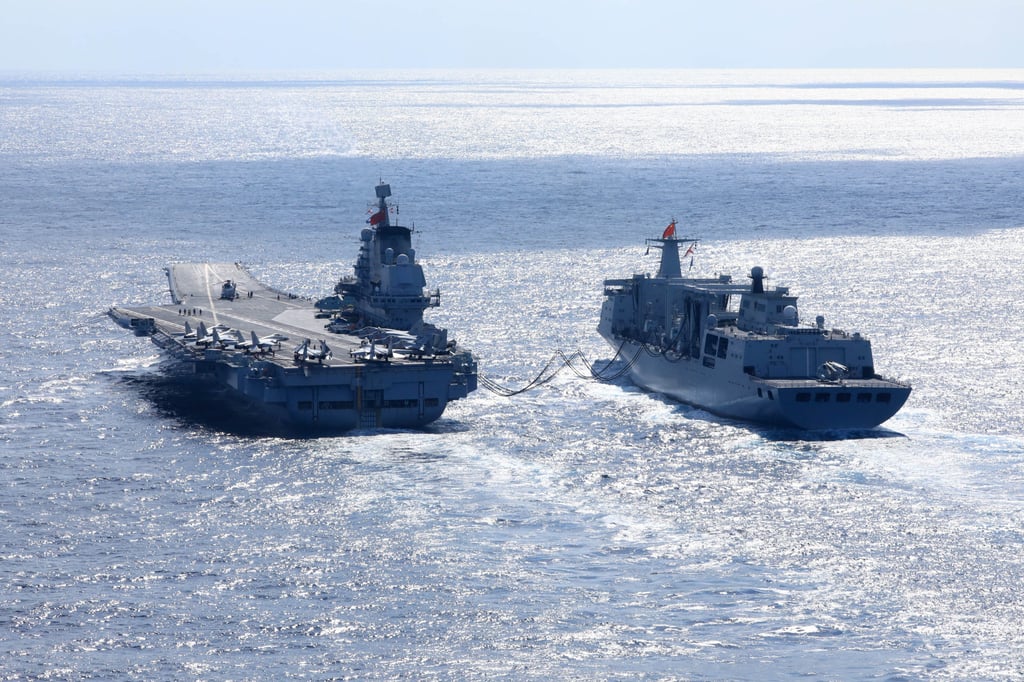
Chinese ships were also identified operating in the contiguous zone, which extends 12 nautical miles beyond the 12 nautical mile limit of Japan’s territorial waters around the islands, on 332 days last year, similar to the 333 days reported in 2020.
Japan’s coastguard also claimed that Chinese government ships approached civilian Japanese vessels, primarily operated by fishermen from Okinawa prefecture, 18 times last year, up from just eight cases in waters close to the islands in 2020.
Tokyo remains concerned about a law allowing China’s coastguard to use “all necessary means” to deter threats posed by foreign vessels in waters “under China’s jurisdiction”, for it could result in Chinese coastguard officers boarding Japanese fishing boats.
Two choices
Under the current circumstances, Japan was left with two choices, said John Bradford, senior fellow specialising in regional maritime security at the Nanyang Technological University in Singapore.