Singapore fast-tracks aid for families as inflation soars amid Ukraine war
- Even if the war had not happened, Singapore would’ve had to raise energy prices due to its clean energy transition and labour constraints, finance minister says
- Meanwhile, its central bank was watching the impact of geopolitical and pandemic-related shocks; economist expects it to tighten monetary policy this month

To alleviate the pressure faced by citizens, the government will bring forward the disbursement of several household support measures announced in February, Wong told lawmakers in a statement on the current state of inflation.
MPs had posed various questions on the government’s plans to help residents deal with inflation amid surging fuel costs that have also translated into higher electricity bills.
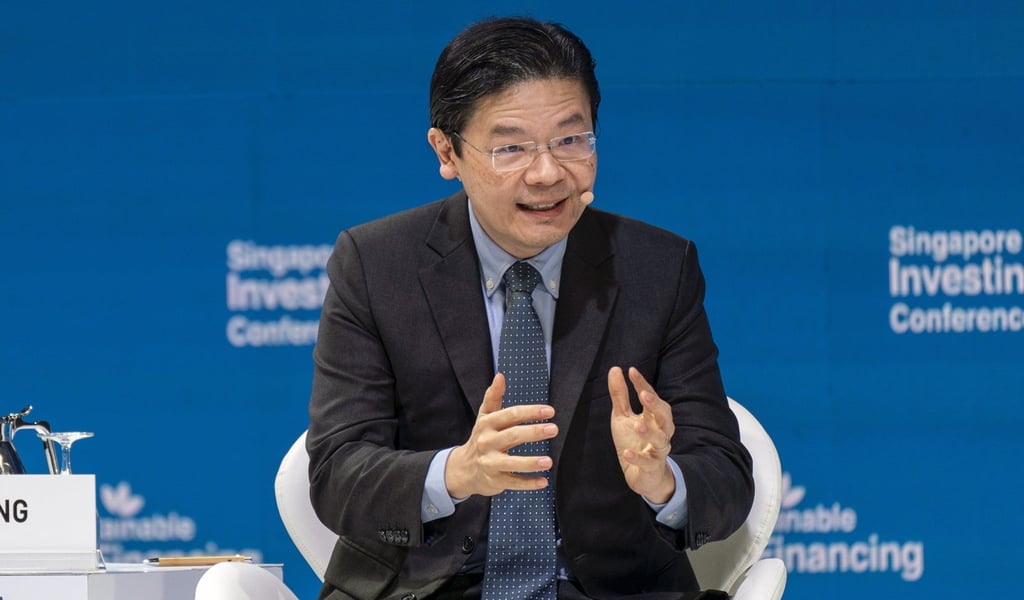
The country’s state-owned grid operator SP Group on March 31 said electricity prices would increase on average by 10 per cent in the three months beginning April.
Wong said while the war did have a direct impact on current prices, even without the conflict, the republic would have had to raise energy prices as it seeks to decarbonise its economy.
“Likewise, on the manpower front, we will continue to face a tight labour market, given our rapidly ageing population,” Wong said.
The longer-term solution was not offsetting these costs, but redoubling the city state’s economic restructuring and transformation efforts to become “more innovative, productive, and energy efficient”, he said.